













- Рендеринг Гуанчиале
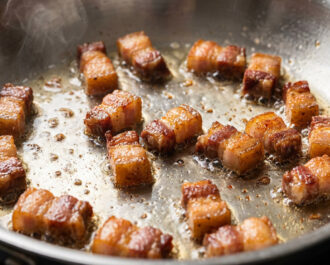
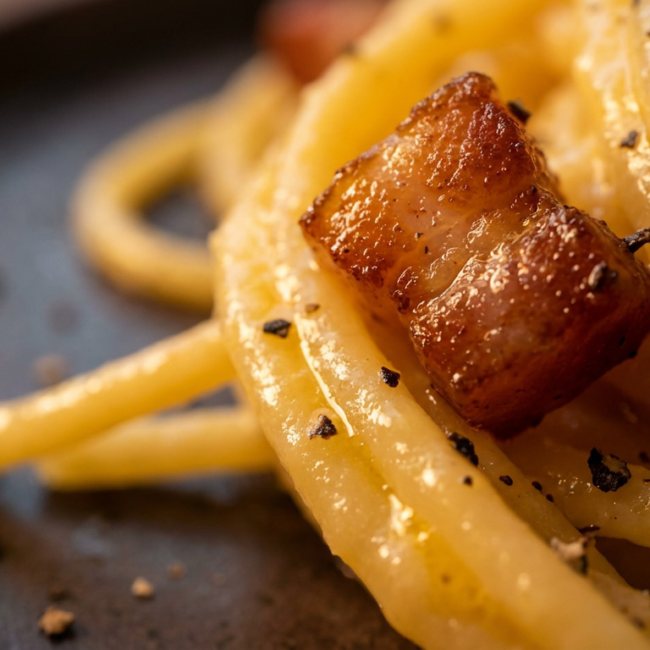
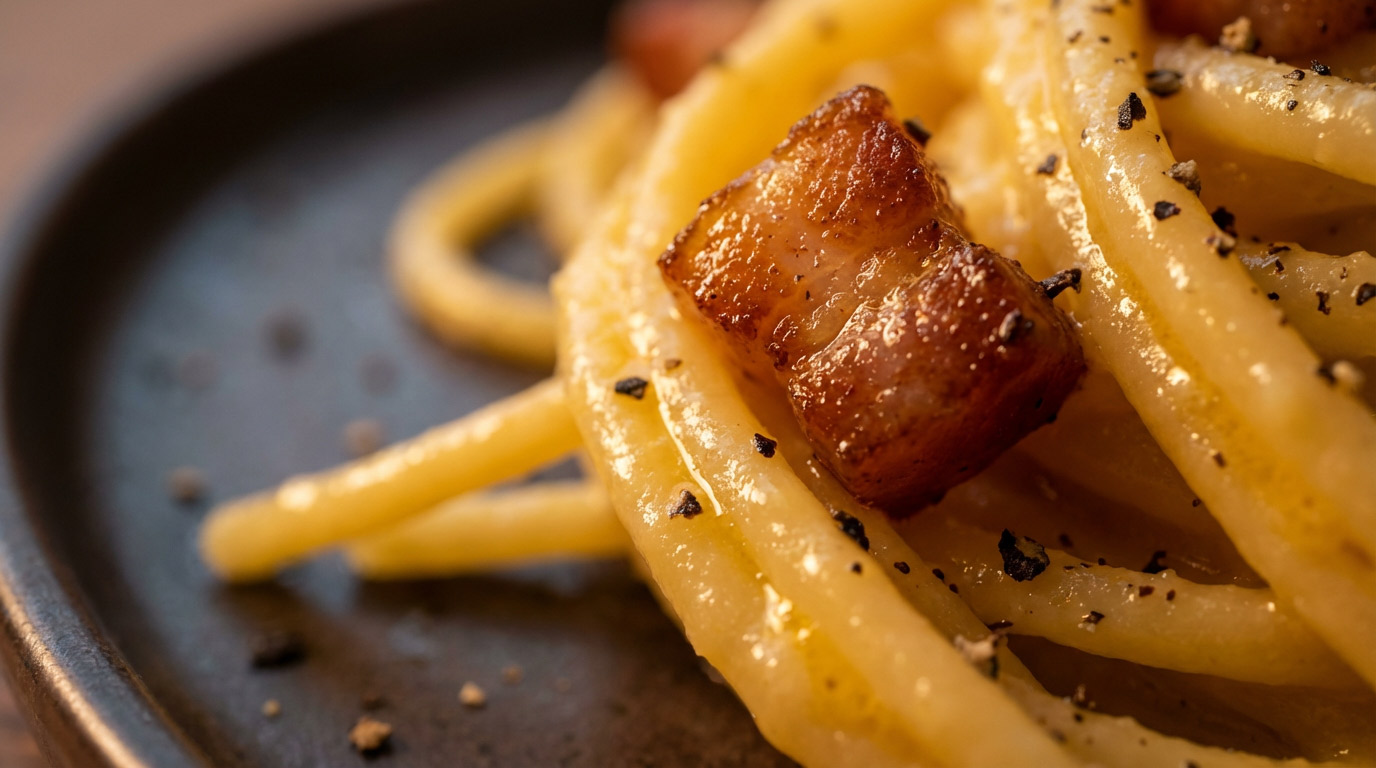
In a large skillet over medium heat, add the cubed guanciale without any extra oil. Cook slowly, stirring occasionally, until the fat has rendered out and the meat pieces become crispy and golden brown. This fat is the essential flavoring agent for the entire dish. Once crispy, remove from heat and set aside, keeping the rendered fat in the pan to coat the pasta later.
- Создание яично-сырной эмульсии
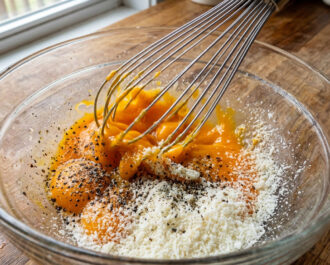
Пока паста варится в подсоленной кипящей воде до состояния аль денте, взбейте в средней миске яичные желтки, целое яйцо и тертый сыр Пекорино Романо. Добавьте щедрую порцию свежемолотого черного перца. Смесь должна образовать густую пасту бледно-желтого цвета. Этот шаг крайне важен, чтобы соус не свернулся при последующем смешивании с горячей пастой.
- Завершающая закалка и сборка
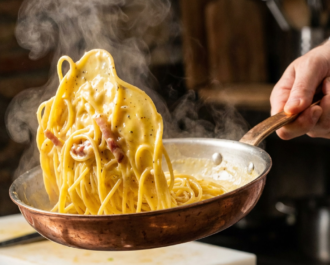
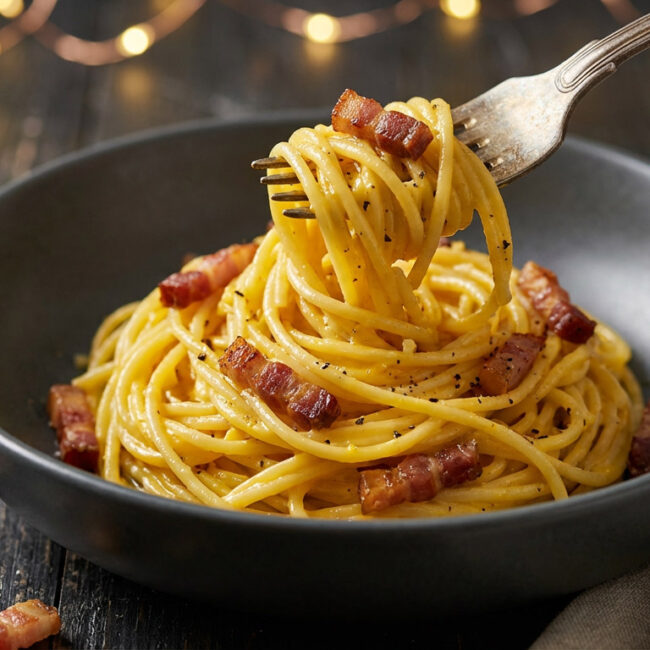
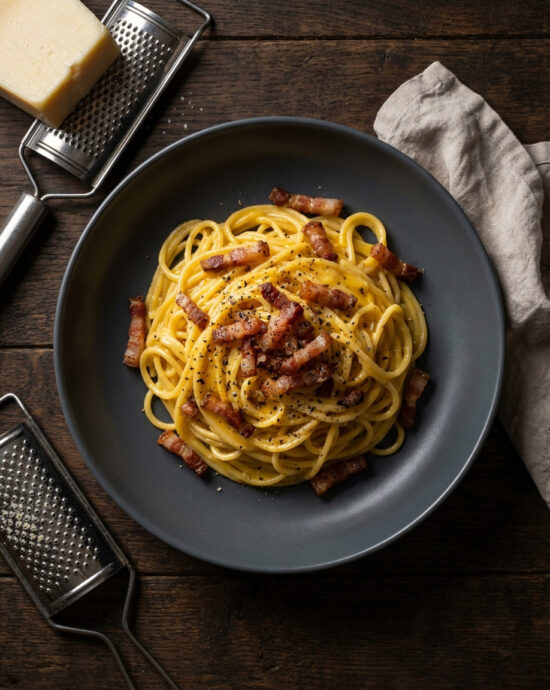
Слейте воду с макарон, оставив полстакана крахмальной воды, в которой они варились. Выложите макароны на сковороду с жиром от гуанчале. Полностью снимите сковороду с огня. Быстро влейте смесь яиц и сыра, энергично помешивая. Остаточное тепло от макарон приготовит яйца в сливочном соусе, не свернув их. При необходимости добавьте немного воды от варки макарон, чтобы получить блестящую, шелковистую консистенцию.
- Калории:620 ккал%31%
- Белок:28 g%56%
- Углеводы:70 g%27%
- Сахар:2 g%2%
- Соль:2.5 g%42%
- Энергия:2590 кДж%31%
- Толстый:26 g%37%
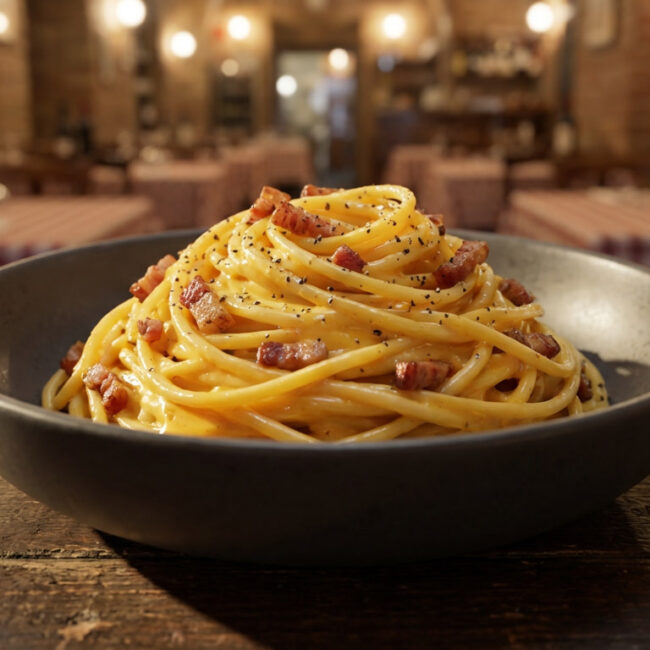
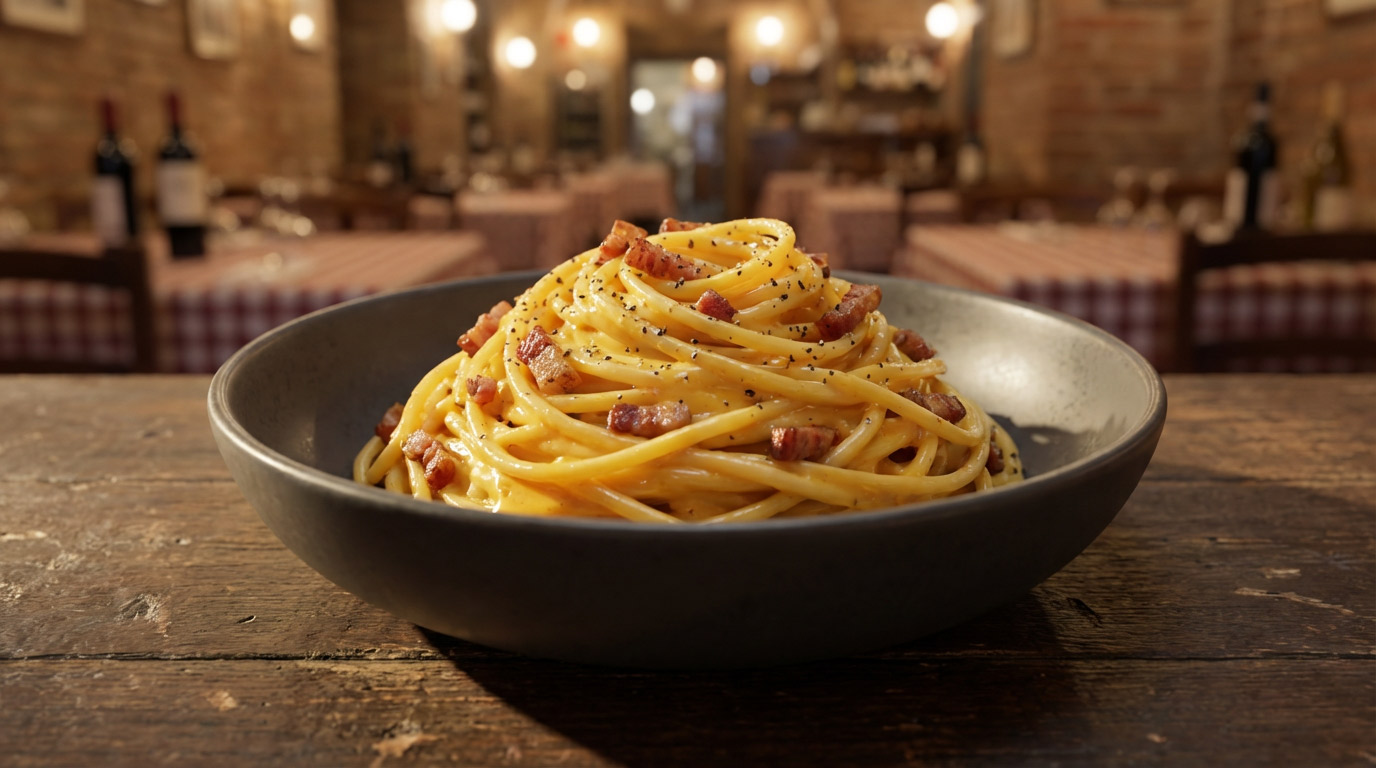
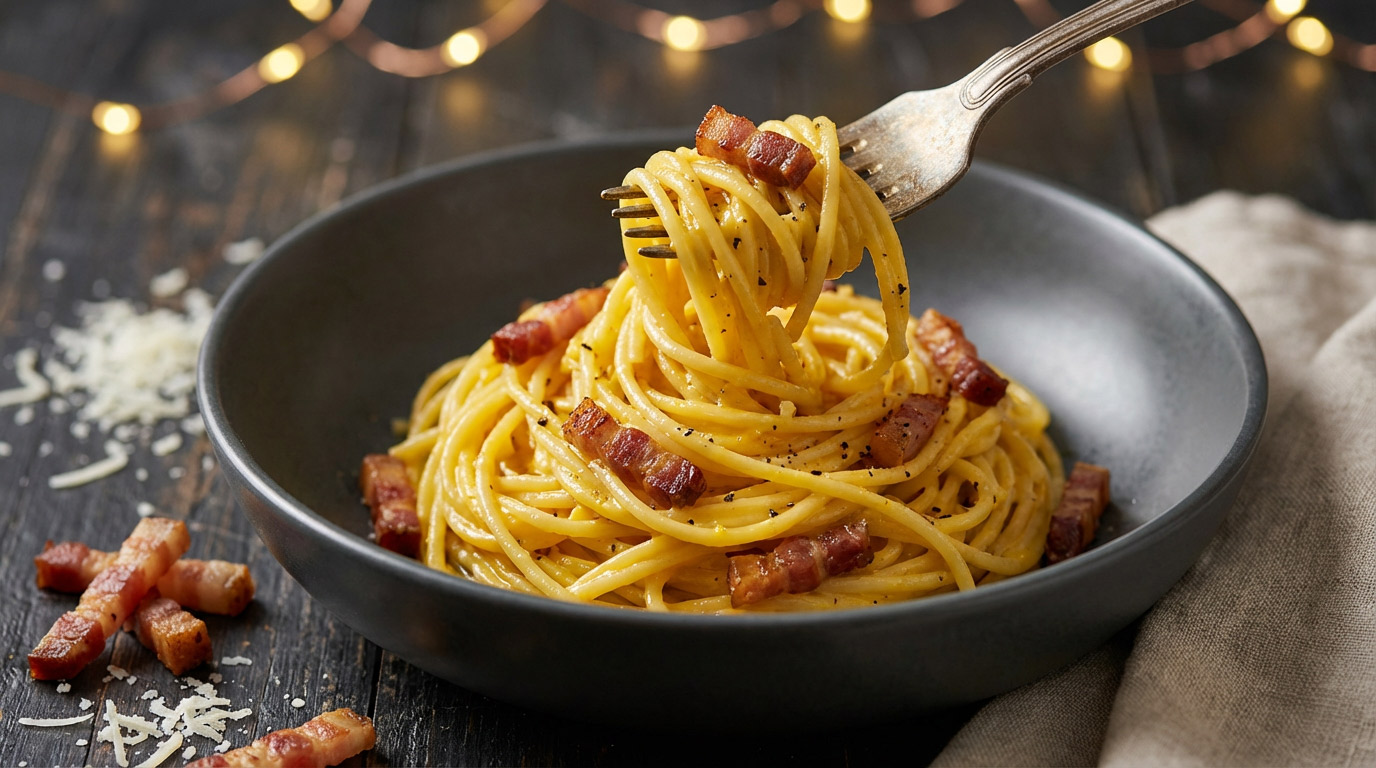
Spaghetti Carbonara is a cornerstone of Roman cuisine, representing the heart of Italian comfort food. Traditionally associated with the “carbonari” (charcoal burners) of the Apennine mountains, this dish relies on the mastery of heat and timing rather than complex ingredients. It is a celebration of “cucina povera” (peasant cooking), where humble staples like eggs, hard cheese, and cured pork are transformed into a luxurious, velvety masterpiece. Culturally, Carbonara is a symbol of Roman identity, strictly forbidding the use of cream the creaminess must come solely from the emulsion of raw eggs and pasta water.