













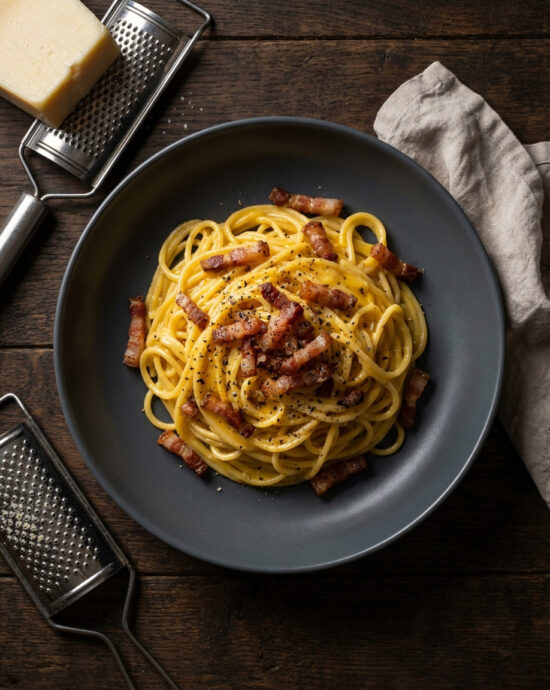

- Rendering the Guanciale
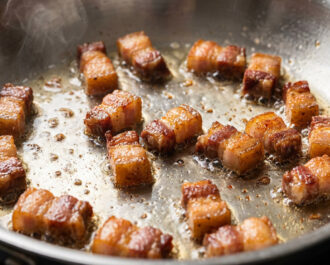
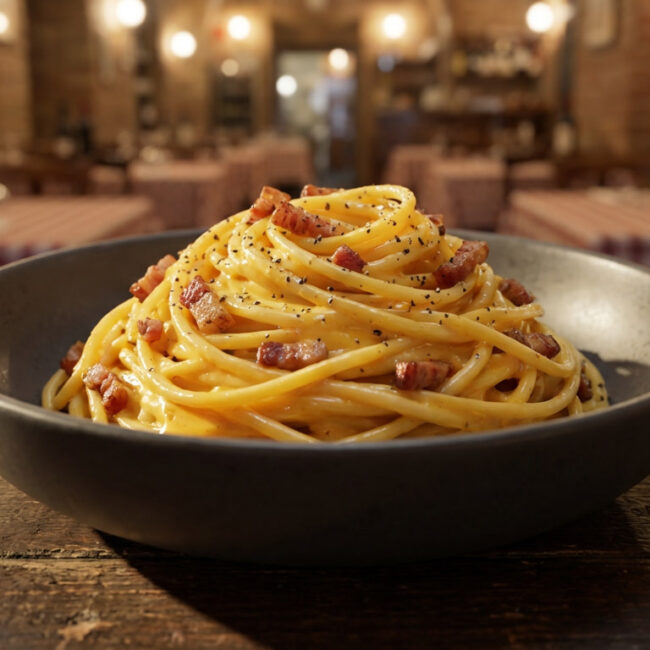
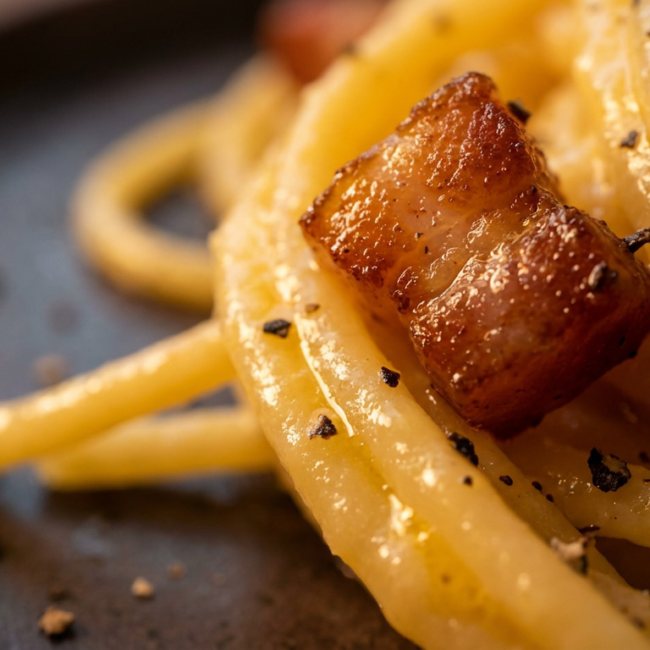
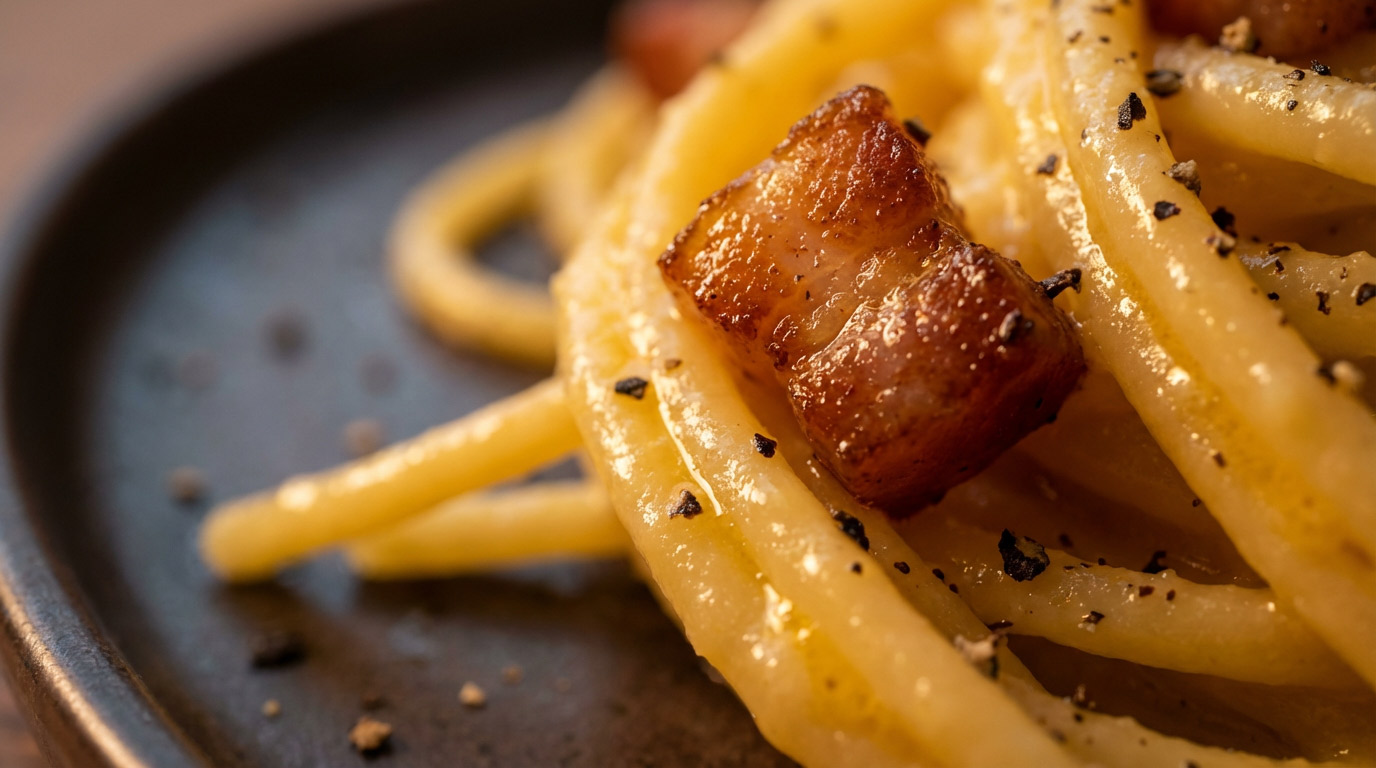
In a large skillet over medium heat, add the cubed guanciale without any extra oil. Cook slowly, stirring occasionally, until the fat has rendered out and the meat pieces become crispy and golden brown. This fat is the essential flavoring agent for the entire dish. Once crispy, remove from heat and set aside, keeping the rendered fat in the pan to coat the pasta later.
- Creating the Egg-Cheese Emulsion
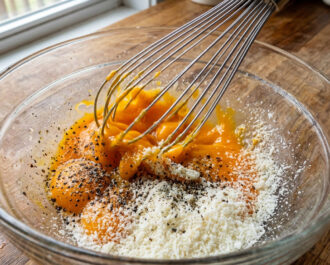
While the pasta cooks in salted boiling water until al dente, whisk the egg yolks, the whole egg, and the grated Pecorino Romano together in a medium bowl. Add a generous amount of freshly cracked black pepper. The mixture should form a thick, pale yellow paste. This step is critical for ensuring the sauce doesn't scramble when combined with the hot pasta later.
- The Final Tempering and Assembly
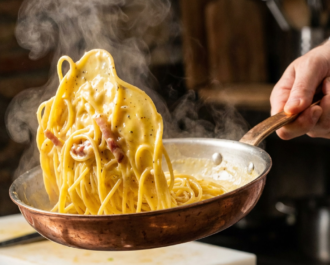
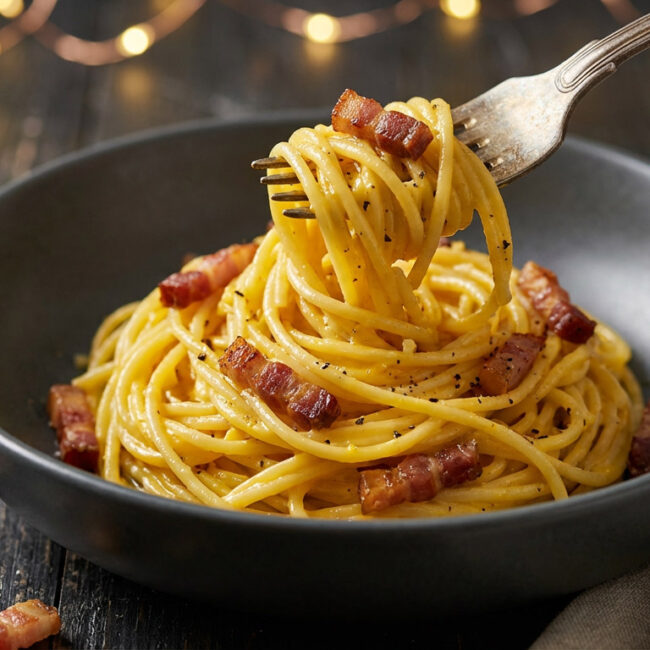
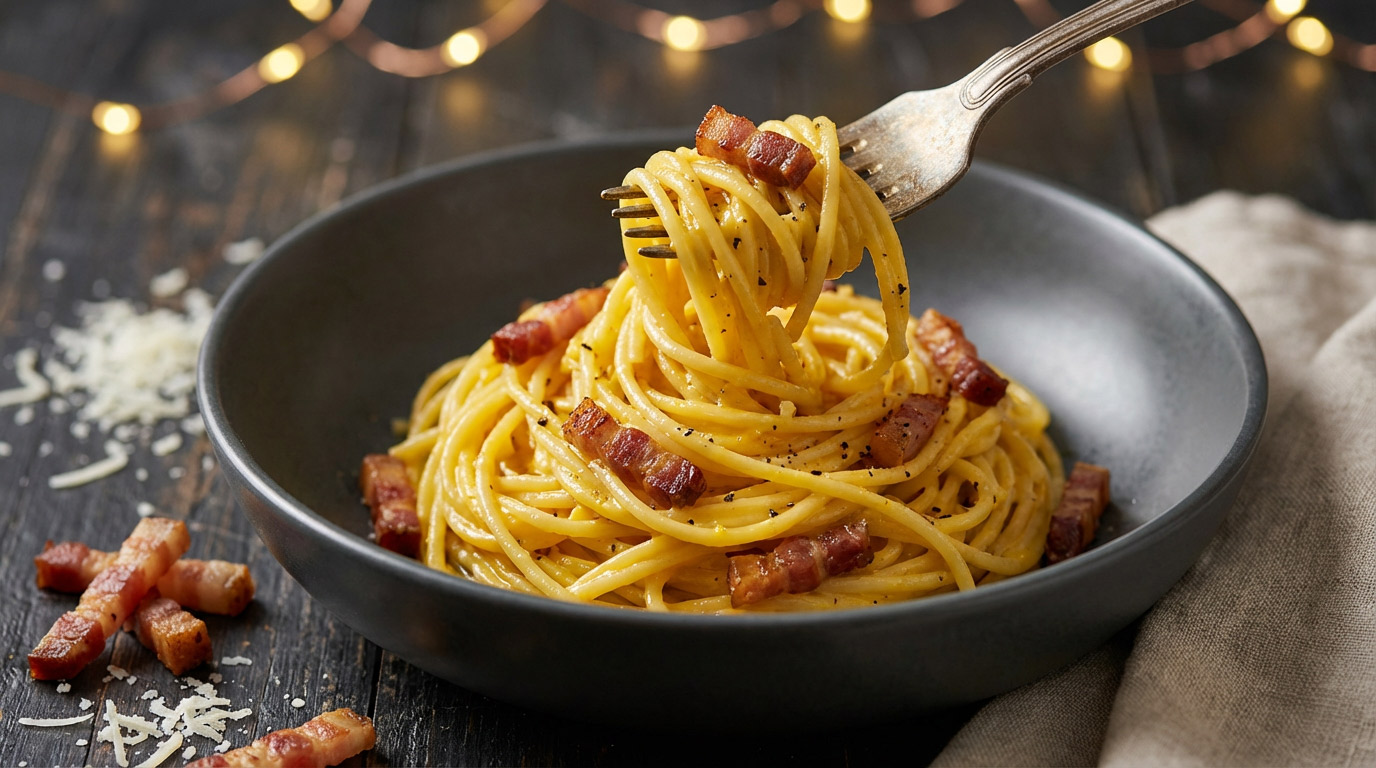
Drain the pasta, reserving half a cup of starchy cooking water. Toss the pasta into the skillet with the guanciale fat. Remove the skillet completely from the heat source. Quickly pour in the egg and cheese mixture, stirring vigorously. The residual heat from the pasta will cook the eggs into a creamy sauce without curdling them. Add splashes of pasta water if needed to reach a glossy, silky consistency.
- Calorías:620 kcal%31%
- Proteína:28 g%56%
- Carbohidratos:70 g%27%
- Azúcar:2 g%2%
- Sal:2.5 g%42%
- Energía:2590 kJ%31%
- Gordo:26 g%37%
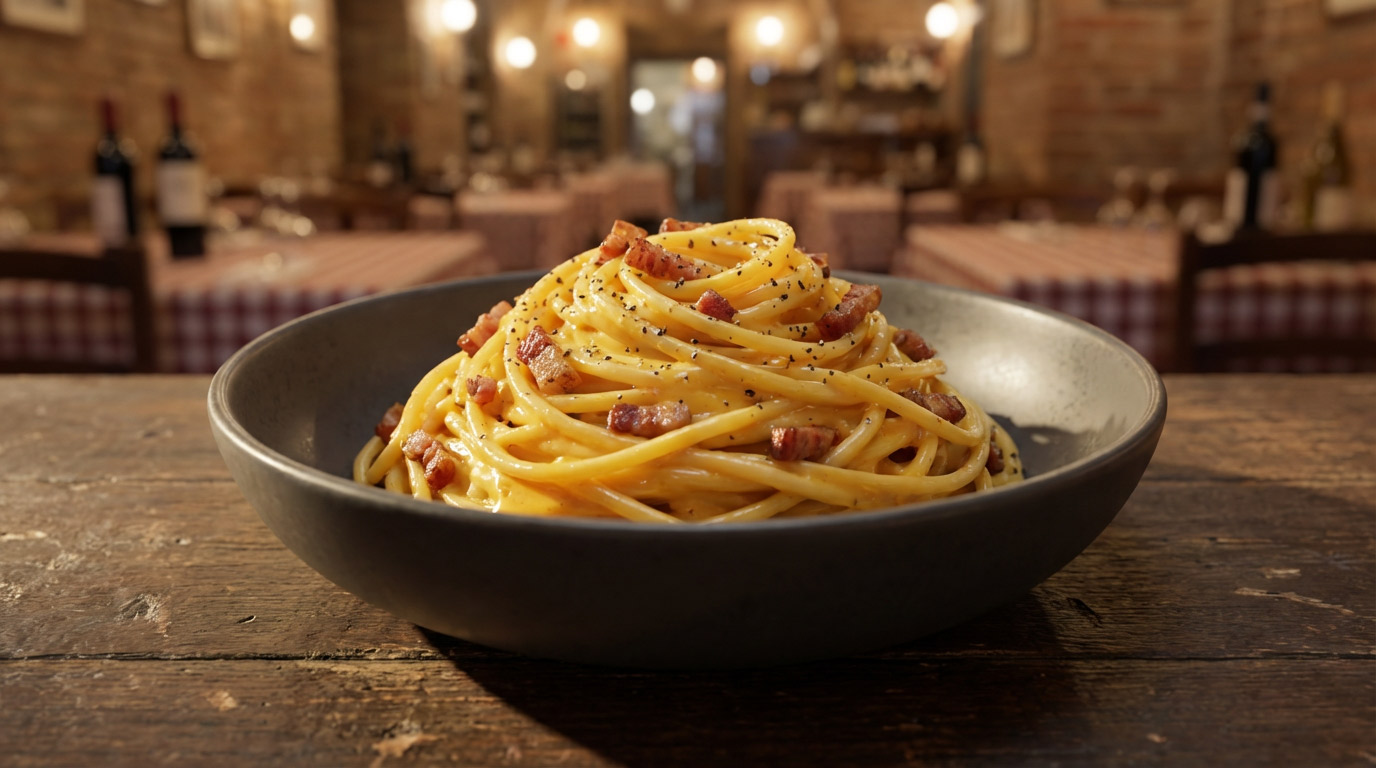
Spaghetti Carbonara is a cornerstone of Roman cuisine, representing the heart of Italian comfort food. Traditionally associated with the “carbonari” (charcoal burners) of the Apennine mountains, this dish relies on the mastery of heat and timing rather than complex ingredients. It is a celebration of “cucina povera” (peasant cooking), where humble staples like eggs, hard cheese, and cured pork are transformed into a luxurious, velvety masterpiece. Culturally, Carbonara is a symbol of Roman identity, strictly forbidding the use of cream the creaminess must come solely from the emulsion of raw eggs and pasta water.