














Os Perigos Ocultos da Má Nutrição: Como Hábitos Alimentares Irregulares Prejudicam a Saúde e Reduzem a Expectativa de Vida
- 5 de maio de 2026
- 5 Min Read

The Silent Epidemic of Poor Nutrition
Modern life has created a paradox: food has never been more accessible, yet people have never been more nutritionally deficient. Fast food, processed snacks, sugary drinks, and irregular eating patterns have become the norm. As a result, millions of people suffer from chronic fatigue, digestive problems, inflammation, hormonal imbalance, and weakened immunity often without realizing that the root cause is poor nutrition.
This article explores the deep and often hidden consequences of irregular eating habits, nutrient deficiencies, and modern dietary patterns. We will examine how poor nutrition affects every system in the body, why processed foods are more dangerous than they appear, and how simple, consistent meals can restore long‑term health.
1. The Modern Diet Is Designed for Convenience, Not Health
In the past, meals were prepared at home using whole ingredients. Today, most people rely on:
- Fast food
- Frozen meals
- Sugary snacks
- Energy drinks
- Ultra‑processed packaged foods
These foods are engineered for taste, shelf life, and profit not nutrition.
The Problem With Processed Foods
Ultra‑processed foods contain:
- Excess sugar
- Excess salt
- Artificial additives
- Preservatives
- Low‑quality fats
- Chemical flavor enhancers
They are calorie‑dense but nutrient‑poor, meaning they fill the stomach but starve the body.
The Result? Hidden Malnutrition
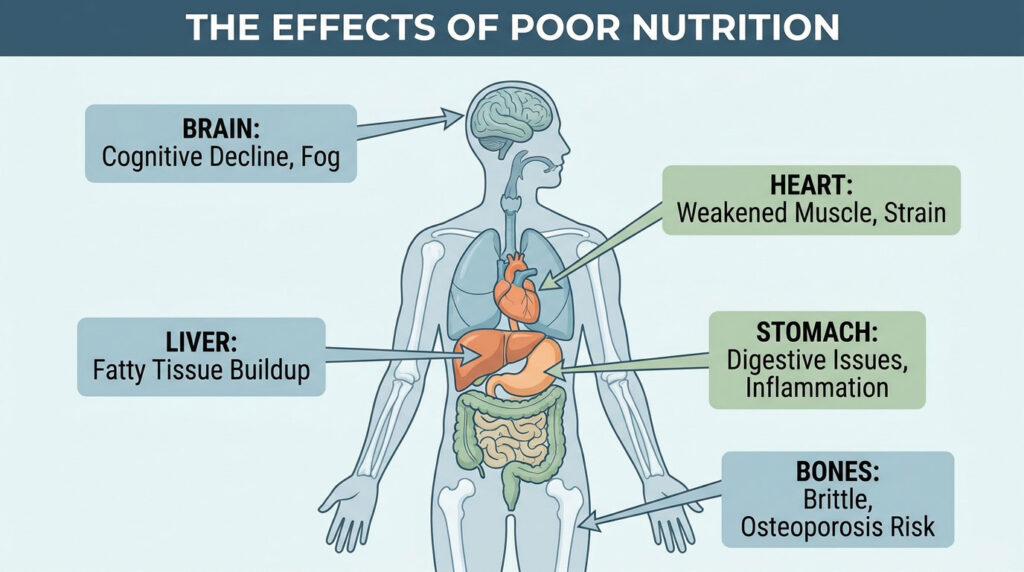
Even people who appear well‑fed may suffer from:
- Vitamin deficiencies
- Mineral deficiencies
- Chronic inflammation
- Hormonal imbalance
- Digestive dysfunction
This is known as hidden hunger the body is full, but not nourished.
2. Irregular Eating Patterns Disrupt the Body’s Natural Rhythm
The human body follows a biological clock known as the circadian rhythm. This rhythm regulates:
- Digestion
- Hormone release
- Blood sugar levels
- Sleep cycles
- Metabolism
When eating patterns are irregular, the circadian rhythm becomes disrupted.
Common Irregular Eating Habits
- Skipping breakfast
- Eating late at night
- Long gaps between meals
- Overeating in the evening
- Snacking instead of eating real meals
These habits confuse the body and lead to metabolic chaos.
3. How Irregular Eating Damages Metabolism
Metabolism is the process by which the body converts food into energy. When eating patterns are inconsistent, metabolism becomes unstable.
Skipping Meals Slows Metabolism
When the body goes too long without food:
- It enters “energy conservation mode”
- Calorie burning slows
- Fat storage increases
- Hunger hormones spike
This leads to weight gain, even if total calories are low.
Late‑Night Eating Causes Fat Storage
The body is not designed to digest heavy meals at night. Eating late disrupts:
- Insulin sensitivity
- Fat metabolism
- Sleep quality
This increases the risk of obesity and diabetes.
Blood Sugar Instability
Irregular eating causes blood sugar to:
- Spike
- Crash
- Spike again
This rollercoaster leads to:
- Fatigue
- Irritability
- Sugar cravings
- Brain fog
- Mood swings
Over time, it increases the risk of insulin resistance.
4. Poor Nutrition Weakens the Immune System
The immune system depends on vitamins, minerals, and antioxidants to function properly. When nutrition is poor, immunity collapses.
Key Nutrients for Immunity
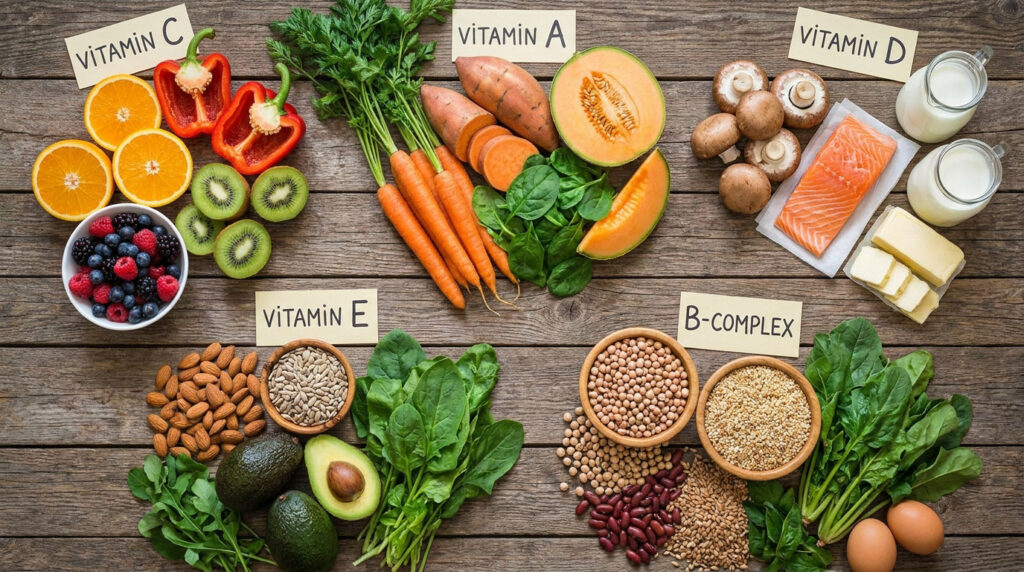
- Vitamin C
- Vitamin D
- Zinc
- Iron
- Selenium
- Omega‑3 fatty acids
Deficiencies in these nutrients lead to:
- Frequent infections
- Slow healing
- Chronic inflammation
- Autoimmune issues
People with irregular eating habits are far more likely to experience these problems.
5. Digestive Problems Caused by Poor Eating Habits
The digestive system is extremely sensitive to meal timing and food quality.
Skipping Meals Causes Acid Imbalance
When the stomach expects food but receives none, acid builds up, causing:
- Heartburn
- Acid reflux
- Stomach pain
Overeating Overloads the Digestive System
Large meals especially at night cause:
- Bloating
- Gas
- Indigestion
- Sluggish digestion
Processed Foods Damage the Gut Microbiome
The gut microbiome is a community of trillions of beneficial bacteria. Processed foods:
- Kill good bacteria
- Feed harmful bacteria
- Reduce digestive efficiency
- Increase inflammation
A damaged gut leads to:
- Constipation
- Diarrhea
- IBS
- Food intolerances
- Weakened immunity
6. Nutrient Deficiencies: The Hidden Consequences of Poor Diet
Even mild deficiencies can cause major health problems.
Common Deficiencies Caused by Poor Nutrition
Iron Deficiency
Symptoms:
- Fatigue
- Hair loss
- Pale skin
- Weakness
Vitamin D Deficiency
Symptoms:
- Low mood
- Weak bones
- Frequent illness
Magnesium Deficiency
Symptoms:
- Muscle cramps
- Anxiety
- Poor sleep
Omega‑3 Deficiency
Symptoms:
- Brain fog
- Joint pain
- Inflammation
Fiber Deficiency
Symptoms:
- Constipation
- Bloating
- High cholesterol
These deficiencies are extremely common in people who eat irregularly or rely on processed foods.
7. The Psychological Impact of Poor Nutrition
Food affects the brain as much as the body.
Blood Sugar Fluctuations Affect Mood
When blood sugar crashes, people experience:
- Irritability
- Anxiety
- Difficulty concentrating
- Mood swings
Nutrient Deficiencies Affect Mental Health
Low levels of:
- Omega‑3
- B vitamins
- Magnesium
- Vitamin D
are linked to:
- Depression
- Anxiety
- Cognitive decline
Poor Nutrition Reduces Stress Tolerance
The body cannot handle stress effectively without proper nutrients.
8. How Simple Meals Can Reverse Years of Damage
The good news is that the body is incredibly resilient. Even after years of poor eating, simple changes can restore balance.
Benefits of Simple, Home‑Cooked Meals
- Stable blood sugar
- Better digestion
- Improved mood
- Stronger immunity
- More energy
- Better sleep
- Reduced inflammation
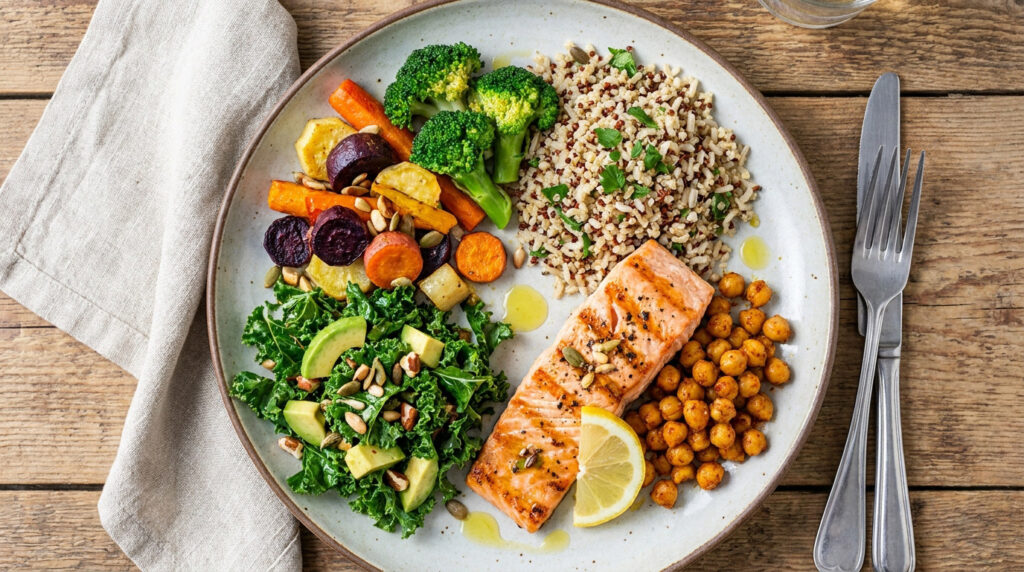
Examples of Simple, Healing Meals
- Oatmeal with nuts and fruit
- Lentil soup
- Rice with vegetables and eggs
- Chickpea salad
- Grilled chicken with greens
- Vegetable omelet
These meals take minutes to prepare and provide complete nutrition.
9. Building a Healthy Eating Routine
Consistency is more important than perfection.
Daily Eating Structure
- Eat breakfast within 1–2 hours of waking
- Have lunch at a consistent time
- Eat a light dinner
- Avoid late‑night snacks
- Drink water throughout the day
Weekly Meal Planning
- Prepare simple meals in batches
- Keep healthy snacks available
- Avoid buying processed foods
- Stock your pantry with whole ingredients
Your Health Depends on What and When You Eat
Poor nutrition is a silent but powerful threat. It affects metabolism, immunity, digestion, mental health, and long‑term disease risk. But the solution is surprisingly simple: regular meals made from whole foods. By embracing simple cooking and consistent eating habits, anyone can rebuild their health, restore their energy, and protect their future.