











The Essential Guide to Fermented Foods: How Ancient Traditions Are Transforming Modern Gut Health
- maio 11, 2026
- 7 Min Read

The Ancient Secret Behind Modern Wellness
Fermented foods have existed for thousands of years, long before refrigeration, modern medicine, or nutritional science. Ancient civilizations relied on fermentation not only to preserve food but also to enhance its flavor, nutritional value, and medicinal properties. Today, as digestive issues, immune disorders, and chronic inflammation become increasingly common, fermented foods are experiencing a global revival. Scientists now understand what ancient cultures intuitively knew: fermented foods are essential for a healthy gut, and a healthy gut is essential for a healthy body. This article explores the history, science, and modern importance of fermented foods, revealing why they are one of the most powerful tools for improving digestion, immunity, and overall well‑being.
The Ancient Origins of Fermentation
Fermentation is one of the oldest food preservation techniques in human history. Long before people understood bacteria or probiotics, they discovered that certain foods transformed naturally when exposed to air, salt, or specific environmental conditions. These transformations not only prevented spoilage but also created new flavors, textures, and health benefits.
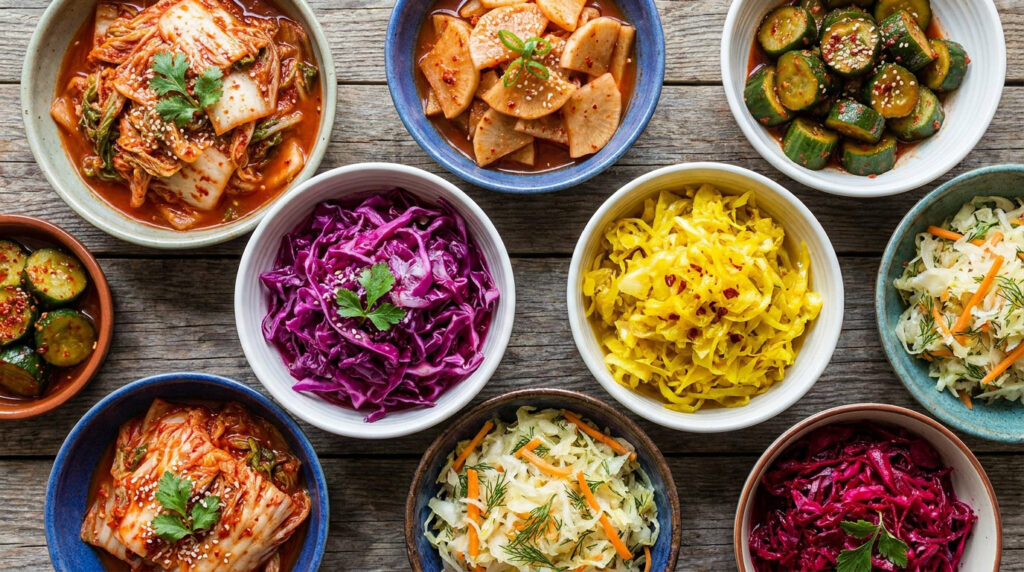
In ancient China, fermentation was used to produce soy sauce, vinegar, and fermented vegetables. Korea developed kimchi, a staple that remains central to Korean identity. Japan perfected miso and natto, foods that are still consumed daily. In the Middle East, people fermented milk into yogurt and kefir. In Europe, fermentation gave rise to sauerkraut, cheese, and sourdough bread. Even in the Americas, indigenous cultures fermented cacao, corn, and cassava.
Fermentation was not just a culinary technique it was a survival strategy. It allowed communities to store food through harsh winters, long journeys, and unpredictable harvests. Over time, these foods became cultural symbols, passed down through generations.
The Science Behind Fermentation: How Microbes Transform Food
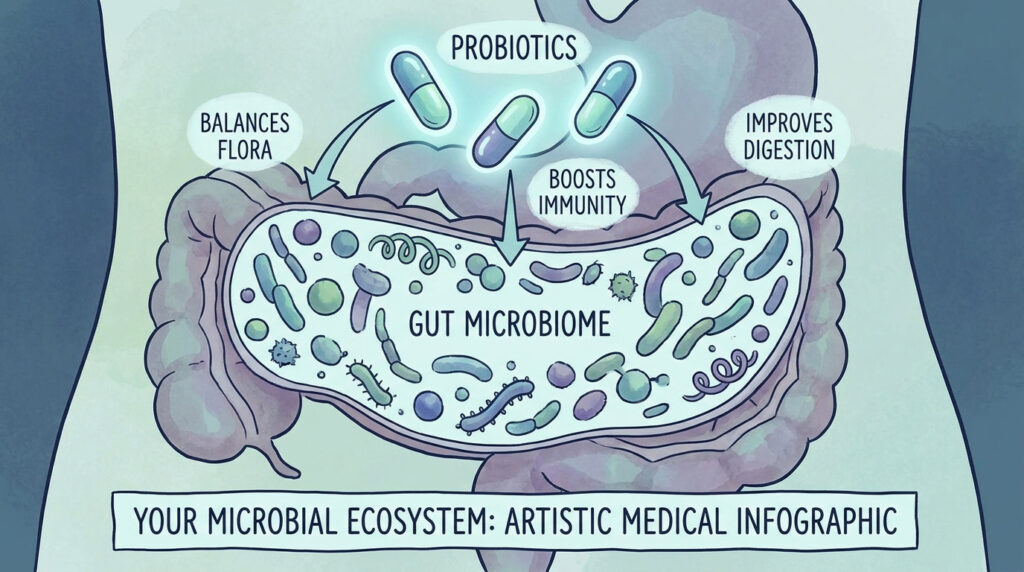
Fermentation is a biological process in which microorganisms primarily bacteria and yeast break down sugars and convert them into acids, gases, or alcohol. This transformation creates an environment where harmful bacteria cannot survive, while beneficial bacteria thrive. These beneficial bacteria, known as probiotics, are the key to fermentation’s health benefits.
When foods ferment, their nutritional profile changes dramatically. Vitamins become more bioavailable, meaning the body can absorb them more easily. Complex carbohydrates break down into simpler forms, making them easier to digest. Antioxidants increase, and harmful compounds decrease. Fermentation essentially pre‑digests food, reducing the workload on the digestive system.
Modern science has confirmed that fermented foods contain living microorganisms that support the gut microbiome the community of trillions of bacteria living in the digestive tract. This microbiome plays a crucial role in digestion, immunity, metabolism, and even mental health.
Why Gut Health Matters More Than Ever
The gut is often called the “second brain” because it contains millions of neurons and communicates directly with the central nervous system. It also houses 70% of the body’s immune cells. When the gut microbiome is balanced, the body functions smoothly. When it is disrupted, a wide range of health problems can occur.
Modern lifestyles high stress, processed foods, antibiotics, lack of fiber have severely damaged the gut microbiome. Many people suffer from bloating, constipation, acid reflux, food intolerances, and chronic inflammation without realizing that the root cause lies in the gut. Fermented foods help restore balance by introducing beneficial bacteria that support digestion, strengthen immunity, and reduce inflammation.
The Role of Fermented Foods in Digestion
Fermented foods improve digestion in several ways. First, they contain enzymes that help break down food more efficiently. This reduces the burden on the stomach and intestines, making digestion smoother and more comfortable. Second, the probiotics in fermented foods help maintain a healthy balance of gut bacteria, preventing harmful microbes from taking over.
People who regularly consume fermented foods often report reduced bloating, better bowel movements, and improved tolerance to foods that previously caused discomfort. Fermented dairy products like yogurt and kefir can even help people with mild lactose intolerance, as the fermentation process breaks down lactose into simpler sugars.
Fermented Foods and Immunity: A Powerful Connection
Because the majority of the immune system resides in the gut, fermented foods play a direct role in strengthening immunity. A balanced microbiome helps the body recognize and fight harmful pathogens more effectively. Probiotics also reduce inflammation, which is a major contributor to chronic disease.
Studies show that people who consume fermented foods regularly experience fewer infections, recover faster from illness, and have lower levels of inflammatory markers. This is especially important in a world where stress, pollution, and processed foods weaken the immune system.
The Mental Health Benefits of Fermented Foods
The gut and brain are connected through the gut‑brain axis, a communication network that links emotional and cognitive centers with the digestive system. When the gut is healthy, the brain functions better. When the gut is imbalanced, mood disorders can arise.
Fermented foods support mental health by increasing the production of neurotransmitters like serotonin, which regulates mood, sleep, and appetite. They also reduce inflammation, which is linked to anxiety and depression. Many people report improved mood, reduced stress, and better mental clarity after incorporating fermented foods into their diet.
Popular Fermented Foods Around the World
Fermented foods come in many forms, each with unique flavors and health benefits. Yogurt and kefir are rich in probiotics and easy to digest. Kimchi and sauerkraut provide fiber, vitamins, and beneficial bacteria. Miso and tempeh offer plant‑based protein and gut‑friendly microbes. Kombucha provides antioxidants and natural acids that support digestion. Sourdough bread is easier to digest than regular bread due to its fermentation process.
Each of these foods reflects the culinary traditions of its region, yet all share the same underlying principle: the power of beneficial microbes.
How to Incorporate Fermented Foods Into Your Daily Diet

Adding fermented foods to your diet does not require major changes. A spoonful of sauerkraut with lunch, a cup of yogurt in the morning, or a bowl of miso soup in the evening can make a significant difference. The key is consistency. Fermented foods work best when consumed regularly, allowing beneficial bacteria to colonize the gut.
It is also important to choose high‑quality fermented foods. Many commercial products are pasteurized, which kills beneficial bacteria. Look for labels that say “raw,” “unpasteurized,” or “contains live cultures.” Homemade fermented foods are often the most potent and cost‑effective option.
The Future of Fermented Foods in Modern Nutrition
As scientific research continues to reveal the importance of gut health, fermented foods are becoming a central part of modern nutrition. Restaurants, health brands, and home cooks are rediscovering ancient fermentation techniques. Chefs are experimenting with new flavors, while scientists study the microbiome to develop personalized nutrition plans.
Fermentation is no longer just a preservation method it is a cornerstone of wellness. As people seek natural ways to improve digestion, immunity, and mental health, fermented foods offer a simple, accessible, and powerful solution.
Conclusion: Fermented Foods Are the Key to a Healthier Future
Fermented foods are more than a trend they are a return to ancient wisdom. They nourish the body, support the gut, strengthen the immune system, and improve mental well‑being. In a world where processed foods and modern lifestyles disrupt the microbiome, fermented foods offer a path back to balance. Whether you enjoy yogurt, kimchi, sauerkraut, miso, or kombucha, incorporating these foods into your daily routine can transform your health from the inside out.