











The Power of Easy Home Cooking: Why Simple Meals Matter More Than Ever in a Changing World
- mei 2, 2026
- 6 Min Read
Why Easy Cooking Matters More Than Ever
In a world shaped by rapid change, uncertainty, and global challenges, the ability to prepare simple, nutritious meals at home has become more than a lifestyle preference it is a fundamental life skill. Whether facing pandemics, economic instability, supply chain disruptions, natural disasters, or even geopolitical conflicts, individuals and families who know how to cook basic meals from essential ingredients are better equipped to stay healthy, resilient, and self‑sufficient.
Easy home cooking is not just about convenience. It is about health, survival, emotional stability, and economic security. In this comprehensive guide, we explore why simple cooking is essential, how nutrient‑dense foods support long‑term wellness, what pantry staples every household should store, and how cooking habits influence physical and mental health.
This article goes deep historically, nutritionally, and practically to show why easy cooking is one of the most important skills of the modern era.
1. The Modern World Is More Unpredictable Than Ever
Over the last two decades, humanity has experienced:
- A global pandemic
- Economic recessions
- Supply chain breakdowns
- Wars and regional conflicts
- Climate‑related disasters
- Rising food prices
- Increased reliance on processed foods
These events have revealed a simple truth: people who can cook simple meals from basic ingredients are more resilient.
During the COVID‑19 pandemic, millions of people rediscovered home cooking because restaurants closed, grocery shelves emptied, and processed foods became harder to find. Similarly, in regions affected by war or economic crisis, families rely heavily on shelf‑stable staples like rice, beans, flour, and canned goods. Easy cooking is not just a hobby it is a survival tool.
2. The Health Crisis: Poor Diets Are Destroying Modern Wellness
Even outside of emergencies, poor nutrition has become a global epidemic. Irregular eating, fast food dependence, and nutrient‑poor diets contribute to:
- Obesity
- Diabetes
- Heart disease
- Chronic inflammation
- Digestive disorders
- Fatigue and brain fog
- Weak immunity
The root cause? People don’t know how to cook simple, healthy meals anymore. When cooking feels complicated, people default to:
- Frozen meals
- Fast food
- Sugary snacks
- Ultra‑processed products
These foods are high in calories but low in nutrients, creating a cycle of hunger, cravings, and long‑term health problems. Easy cooking breaks this cycle by making healthy eating accessible, affordable, and sustainable.
3. The Nutritional Power of Simple, Whole Foods
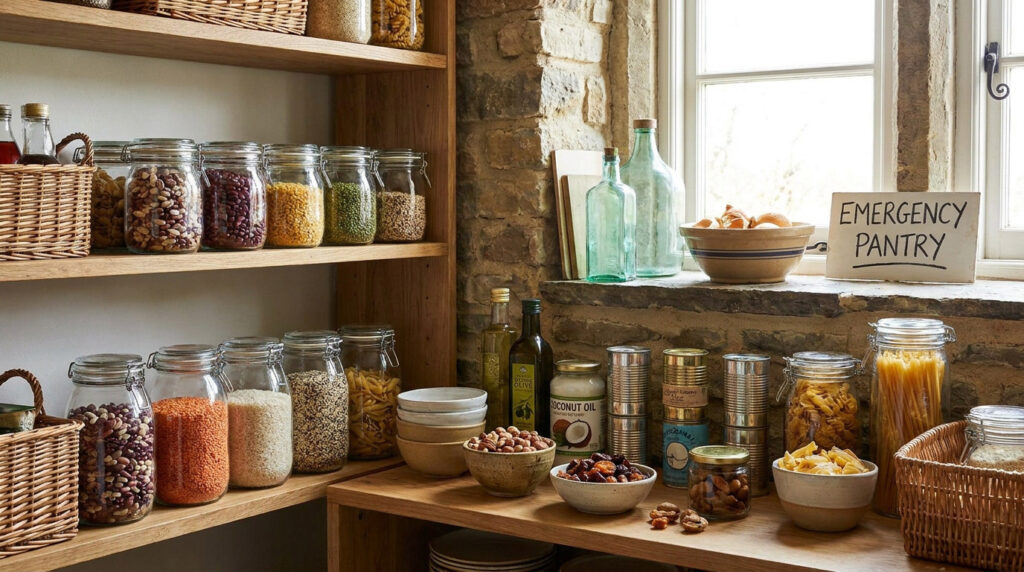
You don’t need gourmet ingredients to eat well. Some of the most nutrient‑dense foods in the world are also the simplest and most affordable.
Key Vitamins and Their Benefits
- Vitamin A immune support, eye health
- Vitamin C antioxidant protection, collagen production
- Vitamin D bone strength, mood regulation
- Vitamin E cellular repair
- B Vitamins energy, metabolism, brain function
- Vitamin K blood clotting, bone health
Essential Minerals
- Iron oxygen transport, energy
- Zinc immunity, wound healing
- Magnesium muscle function, stress reduction
- Potassium heart health, hydration
Where to Find These Nutrients in Simple Foods
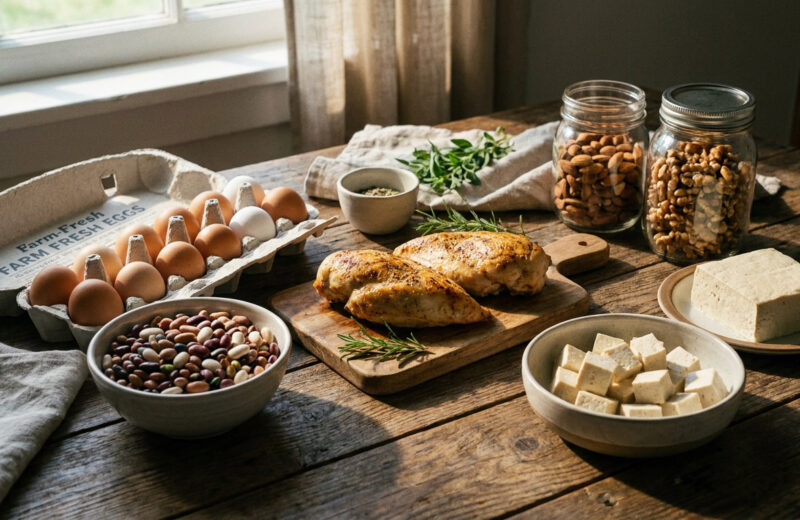
- Eggs
- Lentils
- Chickpeas
- Rice
- Oats
- Leafy greens
- Carrots
- Potatoes
- Canned fish
- Nuts and seeds
These ingredients are inexpensive, widely available, and easy to prepare making them ideal for both everyday meals and crisis situations.
4. The Emotional and Psychological Benefits of Easy Cooking
Cooking is not just physical nourishment it is emotional nourishment.
Cooking Reduces Stress
The act of preparing food:
- Grounds the mind
- Creates routine
- Provides a sense of control
- Offers creative expression
During crises, these emotional benefits become even more important.
Cooking Strengthens Family Bonds
Sharing meals:
- Builds connection
- Encourages communication
- Creates memories
- Provides comfort
Even simple meals like soup, rice dishes, or pasta can bring people together.
Cooking Improves Mental Health
Studies show that home cooking is linked to:
- Lower anxiety
- Reduced depression
- Better mood
- Higher self‑esteem
The simplicity of the meal doesn’t matter the act of cooking does.
5. Crisis‑Ready Cooking: Why Simple Meals Are Essential During Emergencies
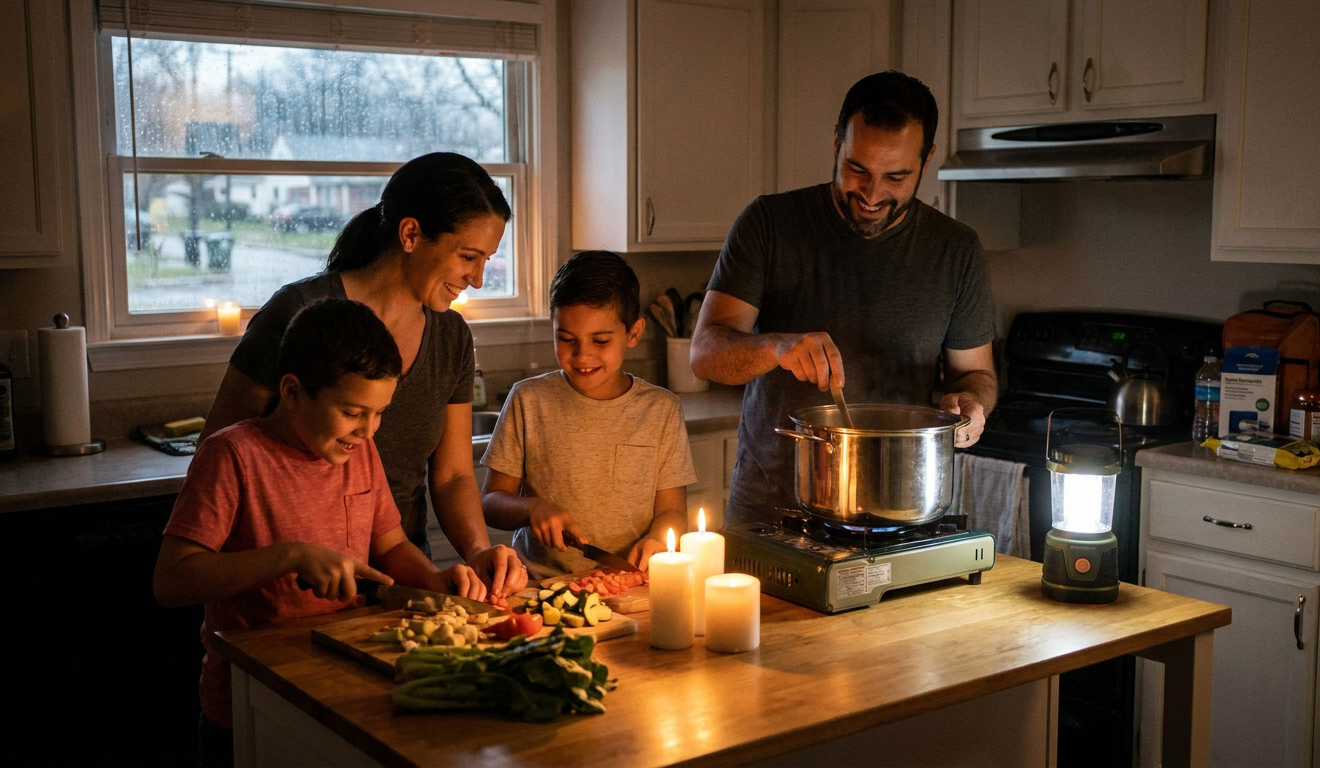
In emergencies, access to fresh food may be limited. Electricity, gas, or water may be disrupted. Stores may be closed or empty.
This is where easy cooking becomes a survival skill.
Essential Characteristics of Crisis‑Ready Meals
- Require few ingredients
- Use shelf‑stable foods
- Cook quickly
- Provide balanced nutrition
- Can be prepared with minimal equipment
Examples include:
- Rice + canned beans
- Pasta + canned tomatoes
- Lentil soup
- Oatmeal with nuts
- Canned tuna with rice
These meals are simple, filling, and nutritionally complete.
6. The Ultimate Crisis Pantry: Foods Every Home Should Store
A well‑stocked pantry can sustain a household for weeks or months.
Grains & Carbs
- Rice
- Pasta
- Bulgur
- Oats
- Flour
Proteins
- Canned beans
- Lentils
- Chickpeas
- Canned tuna
- Canned chicken
Fats
- Olive oil
- Vegetable oil
- Peanut butter
- Nuts and seeds
Vegetables & Fruits (Shelf‑Stable)
- Canned tomatoes
- Canned corn
- Canned peas
- Dried fruits
- Applesauce
Flavor Essentials
- Salt
- Sugar
- Vinegar
- Spices
- Stock cubes
These ingredients allow endless combinations of simple, nutritious meals.
7. The Ancient Role of Spices: Flavor, Medicine, and Preservation
Spices have been essential to human survival for thousands of years. They were used not only for flavor but also for:
- Preserving food
- Treating illness
- Boosting immunity
- Improving digestion
Key Spices and Their Benefits
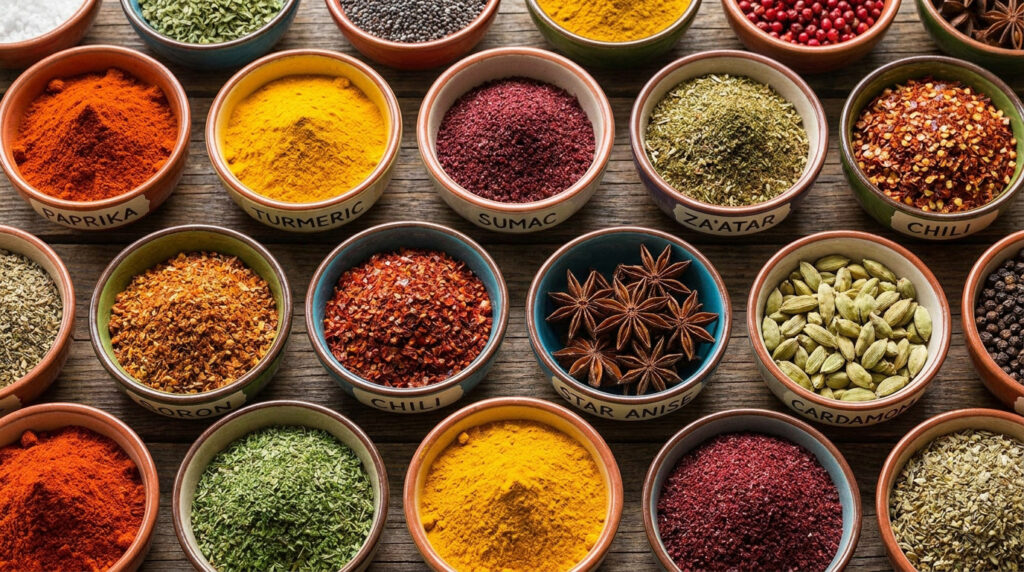
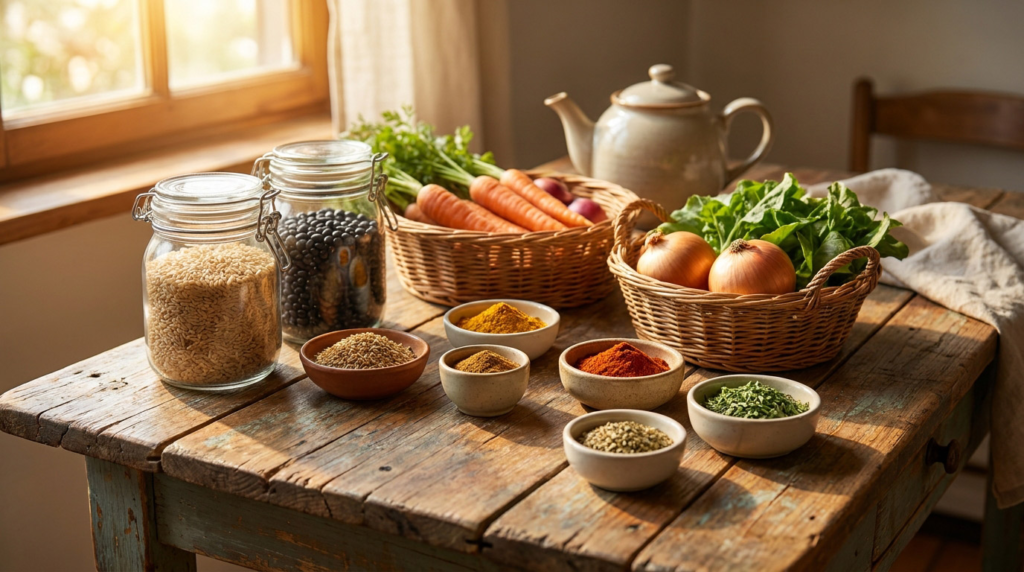
- Turmeric anti‑inflammatory
- Cumin digestive support
- Black pepper nutrient absorption
- Cinnamon blood sugar regulation
- Paprika antioxidants
Even in crisis cooking, spices transform basic ingredients into comforting, flavorful meals.
8. Easy Cooking as a Long‑Term Lifestyle
The benefits of simple cooking extend far beyond emergencies.
Financial Benefits
Cooking at home can reduce food costs by 50–70%.
Health Benefits
Home‑cooked meals contain:
- Less sugar
- Less salt
- Fewer preservatives
- More nutrients
Sustainability Benefits
Cooking simple meals reduces:
- Packaging waste
- Food waste
- Energy consumption
Easy cooking is good for your body, your wallet, and the planet.
Simple Cooking Is the Foundation of a Healthy, Resilient Life
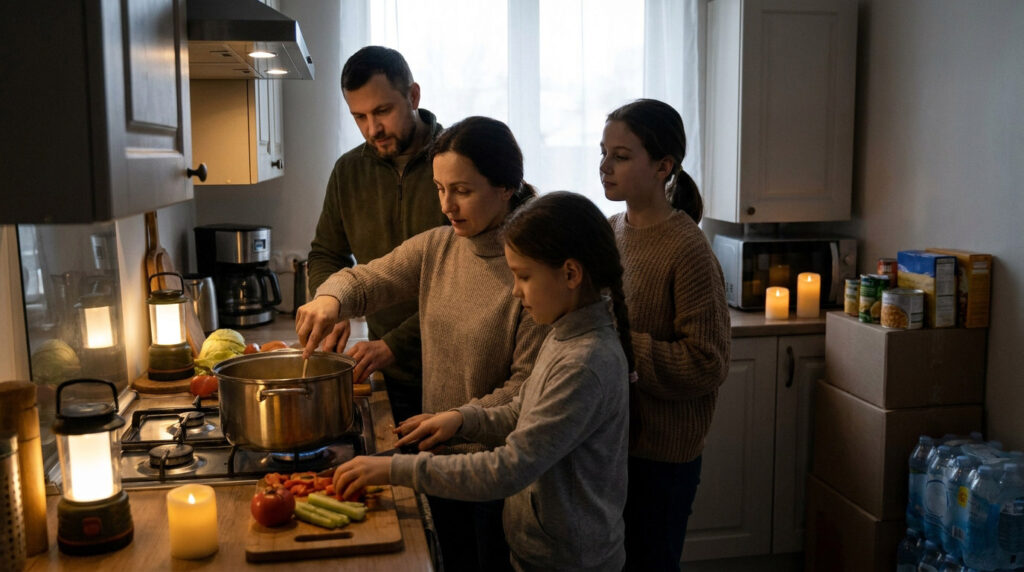
In a world full of uncertainty, easy home cooking is one of the most powerful skills a person can have. It supports physical health, emotional well‑being, financial stability, and crisis preparedness. By embracing simple ingredients, basic techniques, and nutrient‑dense foods, anyone can build a lifestyle that is sustainable, affordable, and deeply nourishing.
Easy cooking is not just about food it is about resilience, independence, and long‑term wellness.