













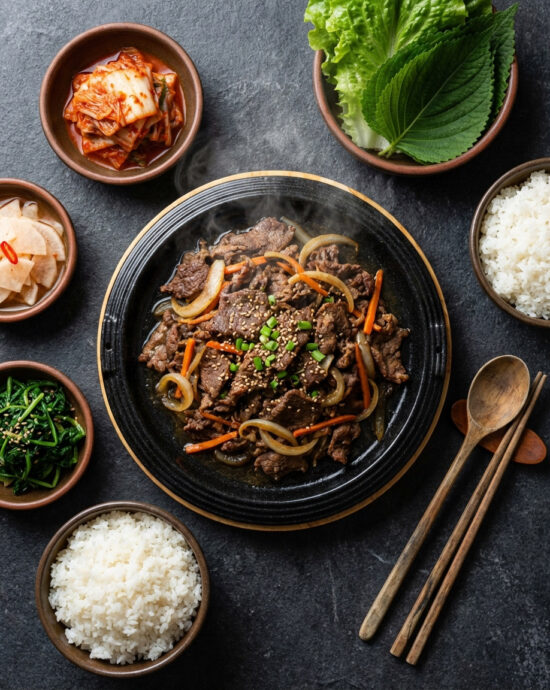

- The Enzymatic Marinade
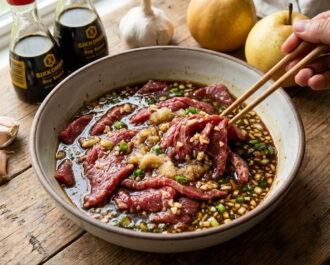
Whisk together the soy sauce, sugar, sesame oil, minced garlic, and the grated pear. Place the paper-thin beef slices in a bowl and massage the marinade into the meat by hand. The pear juice is critical here—not just for sweetness, but for its tenderizing power. Let the meat marinate for at least 2 hours (or overnight) to allow the deep umami flavors to penetrate.
- Grigliatura ad alta temperatura
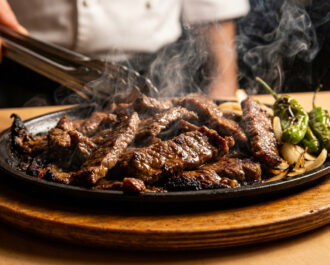
Heat a cast-iron griddle or BBQ grill until it is smoking hot. Lay the beef slices in a single layer. Because the meat is so thin, it cooks extremely fast about 1-2 minutes per side. You are looking for a quick sear and "caramelized" edges. The sugar in the marinade will char slightly, creating the signature smoky-sweet flavor that makes Bulgogi addictive.
- The Toasted Finish
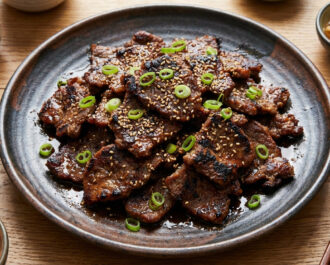
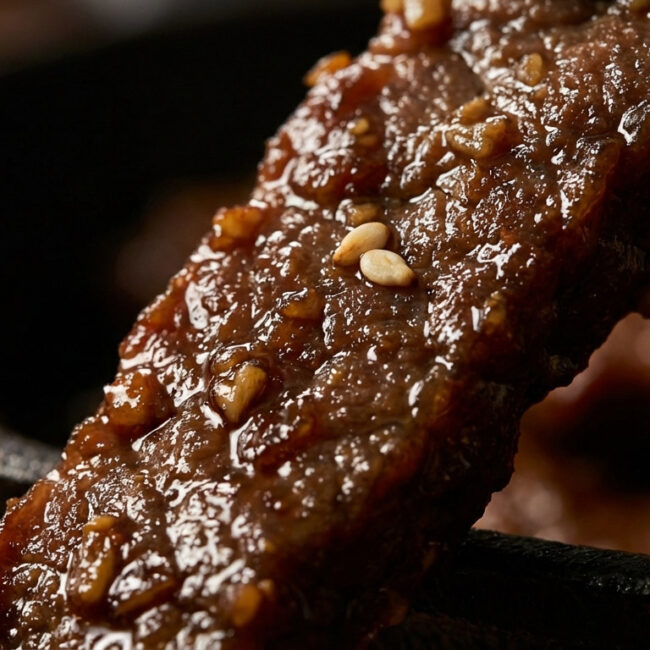
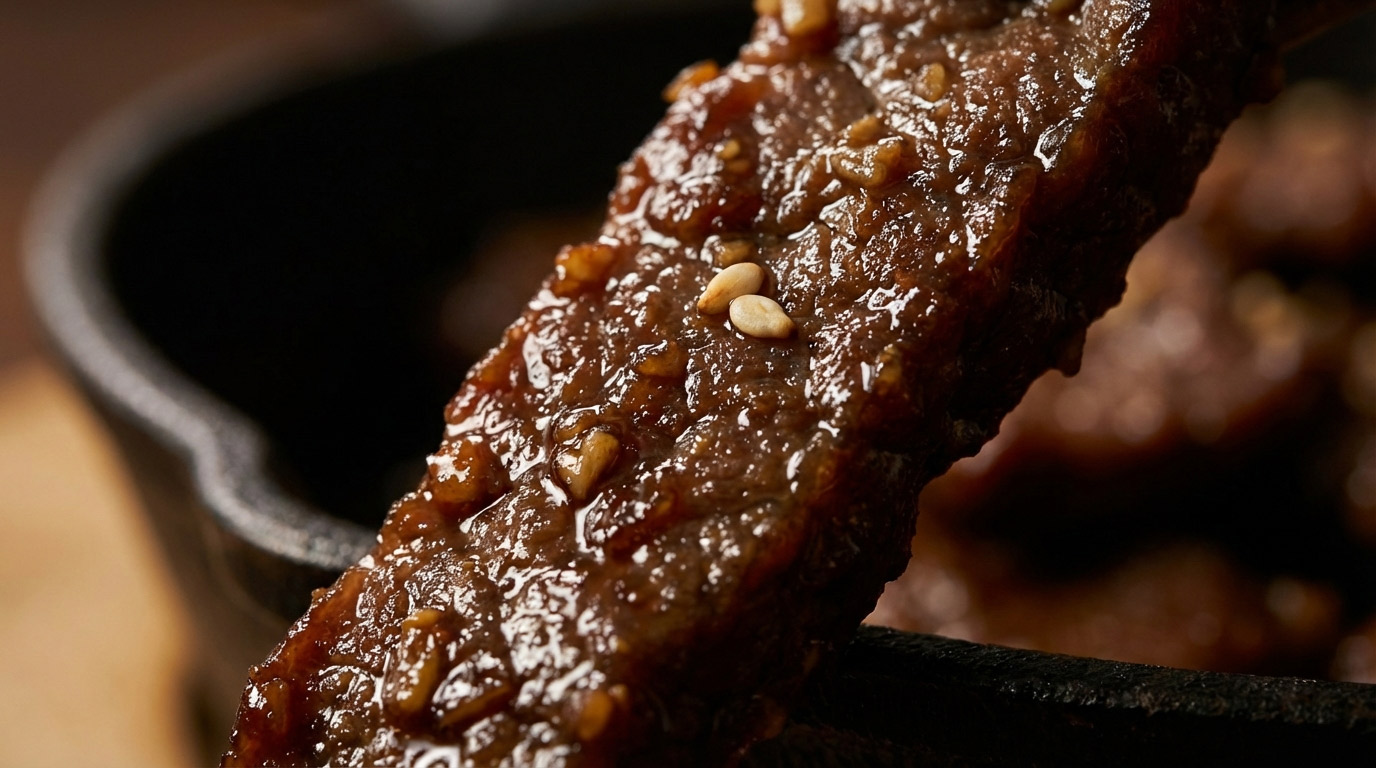
Remove the meat from the heat and immediately sprinkle with toasted sesame seeds and more fresh green onions. The residual heat will release the aroma of the seeds and slightly soften the onions. Serve with steamed rice and assorted side dishes (banchan) like kimchi to provide a sour and spicy contrast to the sweet meat.
- Calorie:320 kcal%16%
- Proteina:28 g%56%
- Carboidrati:12 g%5%
- Zucchero:9 g%10%
- Sale:1.5 g%25%
- Energia:1340 kJ%16%
- Grasso:18 g%26%
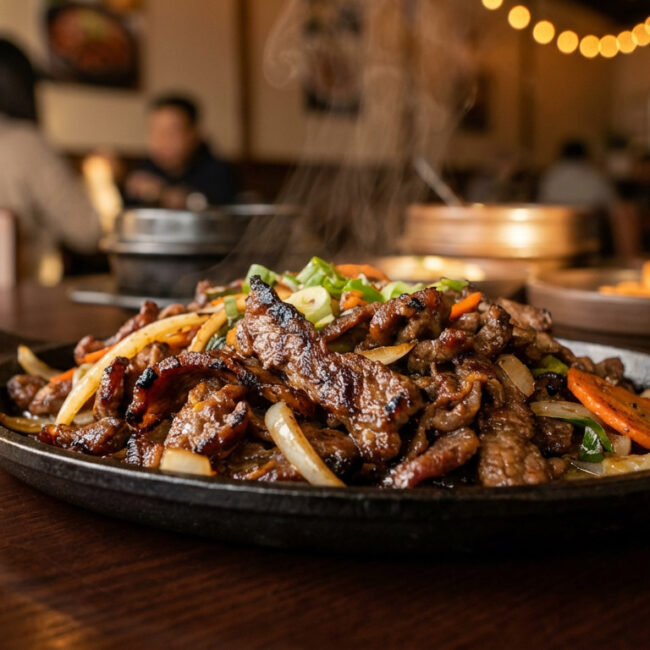
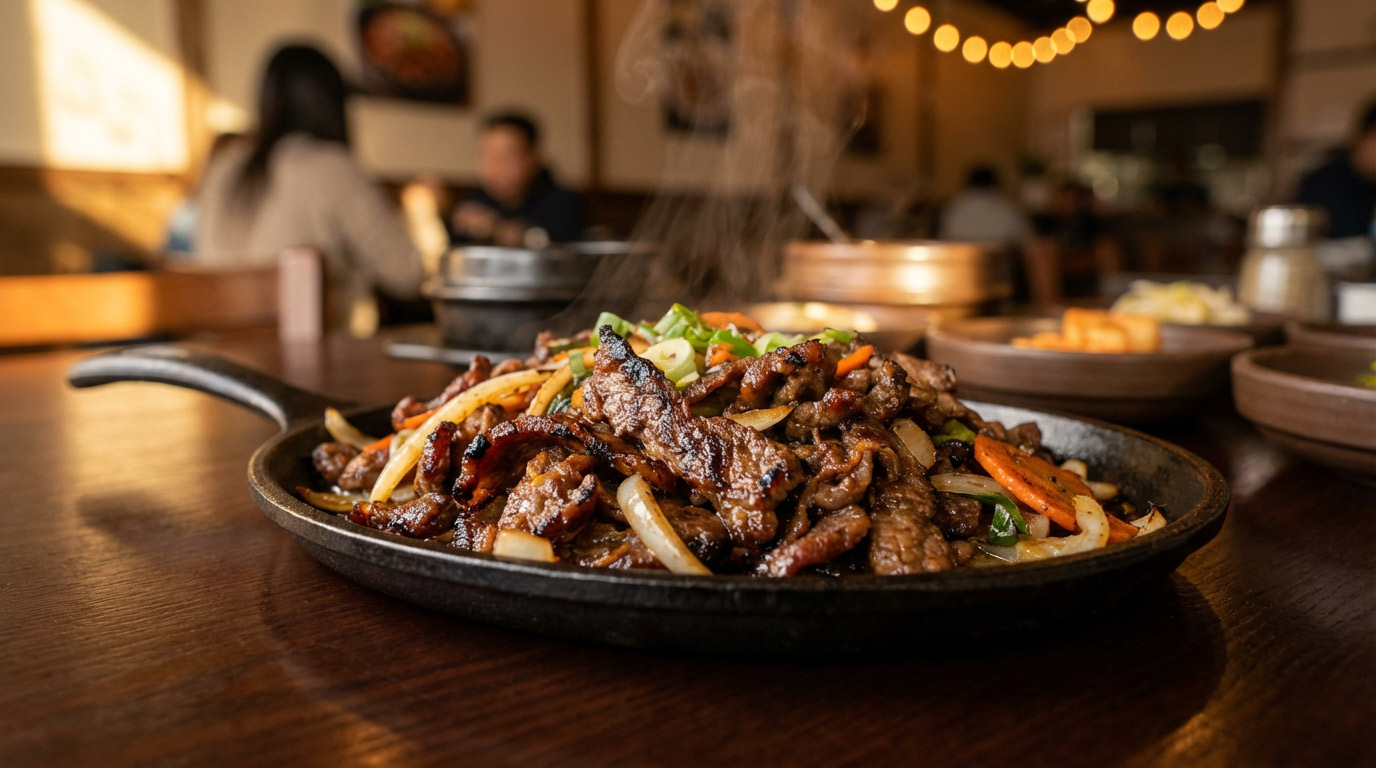
Bulgogi, meaning “fire meat,” is the most iconic dish in Korean barbecue history, dating back to the Goguryeo era. It represents the Korean philosophy of balancing five flavors: salty, sweet, spicy, sour, and bitter. The soul of this dish lies in the marinade, which traditionally uses grated Korean pear (nashi). The pear contains natural enzymes that break down the protein fibers, making the thinly sliced beef incredibly tender. Culturally, Bulgogi is a celebratory meal, often cooked on a table-top grill where family and friends gather. It is characterized by its smoky char, its savory-sweet glaze, and the practice of wrapping the meat in fresh lettuce leaves (ssam) with a dab of spicy fermented bean paste (ssamjang).