














The Importance of Hydration: How Water Shapes Every Function of the Human Body
- May 15, 2026
- 8 Min Read

Water The Foundation of Life and Human Health
Water is the most essential substance for human survival, yet it is often the most overlooked element of daily health. While people focus on diet, exercise, supplements, and lifestyle habits, hydration quietly influences every biological process in the body. From brain function to digestion, from skin health to immunity, from energy levels to emotional well‑being, water is the foundation upon which all other aspects of health depend. Despite this, millions of people live in a constant state of mild dehydration without realizing it. This article explores the profound importance of hydration, the science behind how water supports the body, the consequences of dehydration, and how simple hydration habits can transform long‑term health.
The Biological Importance of Water: Why the Body Depends on It
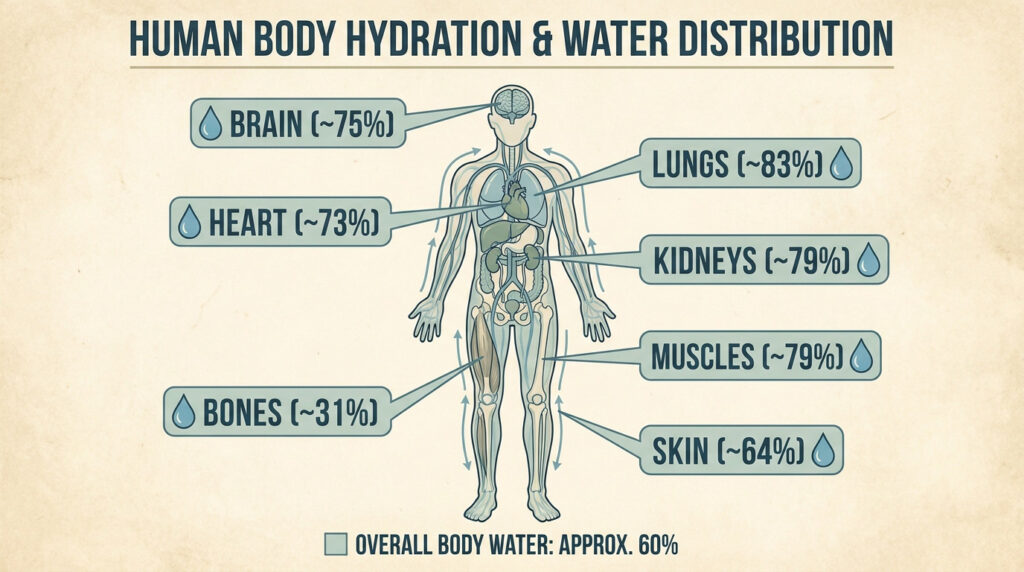
The human body is composed of approximately 60% water, and every cell, tissue, and organ relies on it to function properly. Water acts as a transport system, carrying nutrients to cells and removing waste products. It lubricates joints, cushions organs, regulates temperature, and supports metabolic reactions. Without adequate hydration, these processes slow down or malfunction, leading to a wide range of physical and cognitive issues.
Water is also essential for maintaining blood volume and circulation. When hydration levels drop, blood becomes thicker, making it harder for the heart to pump efficiently. This can lead to fatigue, dizziness, and reduced physical performance. Even mild dehydration as little as 1–2% loss of body water can impair concentration, mood, and energy levels.
Hydration and Brain Function: Water as Fuel for the Mind
The brain is one of the organs most sensitive to hydration levels. It is composed of nearly 75% water, and even slight dehydration can disrupt cognitive performance. Studies show that dehydration affects memory, attention, reaction time, and decision‑making. People often mistake dehydration for fatigue, stress, or lack of sleep, when in reality, the brain is simply not receiving enough water to function optimally.
Hydration also influences mood. Dehydration can trigger irritability, anxiety, and difficulty concentrating. This is because water plays a role in regulating neurotransmitters and hormones that affect emotional balance. When the brain lacks water, it must work harder to perform basic tasks, leading to mental exhaustion and reduced productivity.
Hydration and Digestion: Water as the Engine of the Gut
Water is essential for every stage of digestion. It helps break down food, dissolve nutrients, and transport them through the digestive tract. Without adequate hydration, the stomach produces less digestive fluid, making it harder to break down meals. This can lead to bloating, indigestion, and discomfort.
In the intestines, water softens stool and supports smooth bowel movements. Chronic dehydration is one of the leading causes of constipation, as the body pulls water from the colon to support other vital functions. Over time, this can lead to digestive disorders, inflammation, and discomfort. Hydration also supports the gut microbiome the community of beneficial bacteria that influence digestion, immunity, and mental health. A well‑hydrated digestive system creates an environment where these bacteria can thrive, improving overall gut function.
Hydration and Metabolism: How Water Supports Energy and Weight Regulation

Water plays a crucial role in metabolism, the process by which the body converts food into energy. Proper hydration supports metabolic reactions, nutrient absorption, and the breakdown of fats and carbohydrates. When the body is dehydrated, metabolism slows down, leading to reduced energy levels and difficulty maintaining a healthy weight.
Drinking water before meals can also support appetite regulation. Many people confuse thirst with hunger, leading to unnecessary snacking or overeating. Hydration helps the body distinguish between hunger and thirst, supporting healthier eating habits. Water also supports thermogenesis the process by which the body generates heat and burns calories. Studies show that drinking cold water can temporarily boost metabolism as the body works to warm the water to internal temperature.
Hydration and Physical Performance: Water as the Athlete’s Secret Weapon
For athletes and active individuals, hydration is essential for performance, endurance, and recovery. During exercise, the body loses water through sweat, which helps regulate temperature. If this water is not replaced, dehydration can occur quickly, leading to muscle cramps, fatigue, dizziness, and reduced strength. Hydration also supports joint lubrication, preventing stiffness and discomfort during physical activity. Muscles rely on water to contract efficiently, and dehydration can lead to reduced coordination and increased risk of injury.
Even a small drop in hydration levels can significantly impact athletic performance. This is why athletes prioritize hydration before, during, and after exercise.
Hydration and Skin Health: Water as the Body’s Natural Moisturizer
The skin is the body’s largest organ, and its appearance is closely tied to hydration levels. When the body is well‑hydrated, the skin appears smoother, more elastic, and more radiant. Water helps maintain the skin’s moisture barrier, preventing dryness, irritation, and premature aging.
Dehydration, on the other hand, can lead to dullness, fine lines, and increased sensitivity. While topical skincare products can help, true hydration begins from within. Drinking enough water supports cell regeneration, collagen production, and overall skin vitality.
The Hidden Signs of Dehydration: What Most People Miss

Many people assume dehydration only occurs when they feel extremely thirsty, but thirst is actually a late‑stage signal. The body begins experiencing dehydration long before thirst becomes noticeable. Common hidden signs include fatigue, headaches, dry mouth, dizziness, muscle cramps, poor concentration, and dark urine.
Chronic mild dehydration can also contribute to long‑term health issues such as kidney stones, urinary tract infections, constipation, and high blood pressure. Because these symptoms develop gradually, many people do not realize that dehydration is the underlying cause.
How Much Water Do You Really Need?
The ideal amount of water varies depending on age, weight, climate, activity level, and overall health. While the common recommendation is eight glasses per day, many people require more especially those who exercise, live in hot climates, or consume caffeine or alcohol.
A simple guideline is to drink enough water so that urine remains pale yellow throughout the day. Clear urine may indicate overhydration, while dark urine signals dehydration. Listening to the body’s signals and drinking consistently throughout the day is more effective than consuming large amounts at once.
Hydration Through Food: Water‑Rich Foods That Support Wellness
While drinking water is essential, hydration also comes from food. Many fruits and vegetables contain high water content, along with vitamins, minerals, and antioxidants that support overall health. Watermelon, cucumbers, oranges, strawberries, lettuce, and tomatoes are excellent sources of hydration. Soups, broths, and herbal teas also contribute to daily fluid intake. Incorporating water‑rich foods into meals can help maintain hydration levels, especially for people who struggle to drink enough water throughout the day.
The Impact of Caffeine, Alcohol, and Sugar on Hydration
Certain beverages can affect hydration levels. Caffeine, found in coffee and tea, has mild diuretic effects, meaning it increases urine production. While moderate caffeine consumption does not significantly dehydrate the body, excessive intake can contribute to fluid loss.
Alcohol is a stronger diuretic and can lead to rapid dehydration. This is why people often experience headaches, fatigue, and dry mouth after drinking alcohol. Balancing alcoholic beverages with water can help reduce these effects. Sugary drinks, including sodas and energy drinks, can also impact hydration by increasing the body’s need for water to process sugar. These beverages may quench thirst temporarily but do not support long‑term hydration.
Hydration and Long‑Term Health: Water as Preventive Medicine
Proper hydration supports long‑term health in countless ways. It reduces the risk of kidney stones, supports heart health, improves digestion, enhances cognitive function, and helps regulate body temperature. Hydration also plays a role in preventing chronic diseases by reducing inflammation and supporting metabolic balance. As people age, the body’s ability to sense thirst decreases, making older adults more vulnerable to dehydration. Maintaining consistent hydration habits throughout life is essential for long‑term wellness.
Conclusion: Hydration Is the Simplest Path to Better Health

Water is the foundation of human health, yet it is often taken for granted. Proper hydration supports every system in the body the brain, heart, skin, muscles, digestive system, and immune system. It enhances energy, mood, performance, and overall well‑being. In a world filled with complex health advice, hydration remains one of the simplest and most effective ways to improve daily life.
By drinking water consistently, choosing hydrating foods, and paying attention to the body’s signals, anyone can unlock the transformative power of hydration. It is a small habit with enormous impact a daily investment in long‑term health.