













La signification culturelle du pain : Comment un aliment simple a façonné les civilisations à travers le monde
- 17 mai 2026
- 6 Min Read
Le pain, le plus vieux compagnon de l'humanité
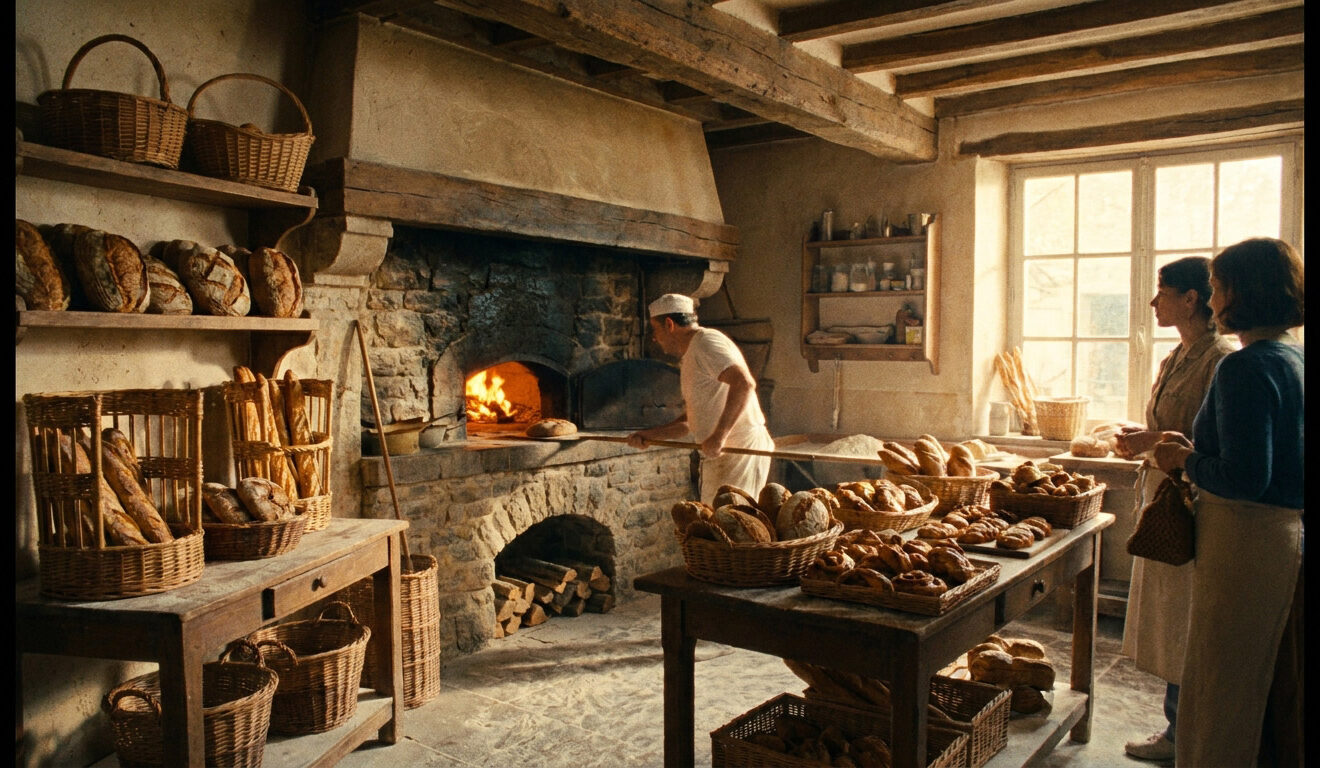
Le pain est l'un des plus anciens aliments préparés de l'histoire de l'humanité, un symbole universel de nourriture, de survie et de communauté. À travers les continents et les cultures, il a constitué le fondement de la vie quotidienne, une offrande sacrée, un marqueur d'identité sociale et le reflet de l'évolution agricole. Des fours antiques de Mésopotamie aux boulangeries au feu de bois d'Europe, des pains plats du Moyen-Orient aux brioches vapeur d'Asie, le pain a façonné les civilisations comme peu d'autres aliments. Cet article explore la signification culturelle du pain, son parcours historique et explique pourquoi il demeure l'un des aliments les plus importants au monde.
Les origines anciennes du pain
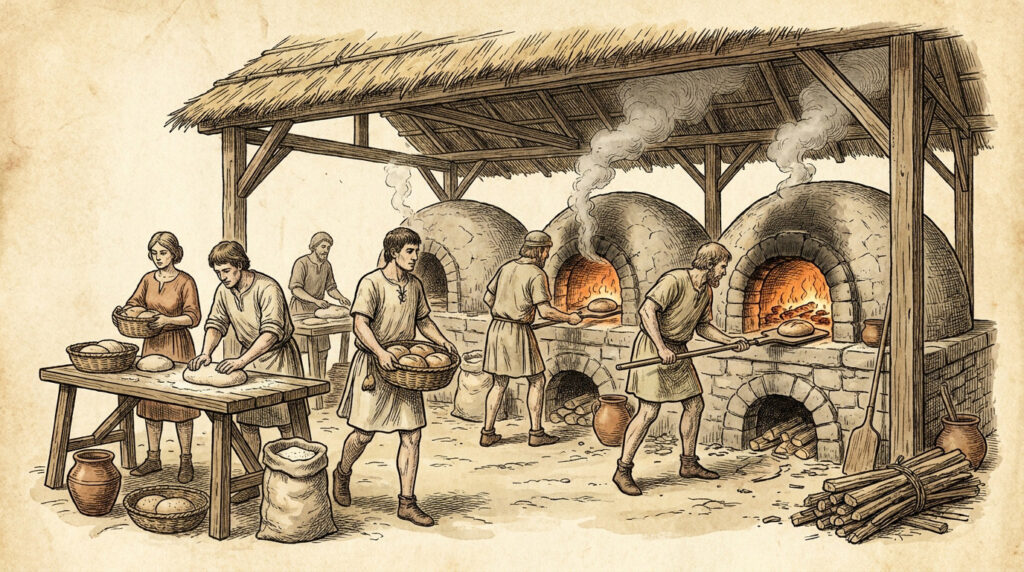
L'histoire du pain commence il y a plus de 10 000 ans, lorsque les premiers humains sont passés d'un mode de vie nomade de chasseurs à une agriculture sédentaire. La domestication du blé et de l'orge dans le Croissant fertile a marqué un tournant dans l'histoire de l'humanité. Les peuples anciens ont découvert qu'en moulant les grains pour obtenir de la farine et en les mélangeant à de l'eau, on obtenait une pâte qui pouvait être cuite sur le feu. Ces premiers pains plats étaient simples, mais ils ont représenté le début de l'innovation culinaire.
Dans l'Égypte antique, le pain occupait une place centrale dans la vie quotidienne. Les Égyptiens développèrent des techniques de panification avancées, notamment l'utilisation de levure naturelle, ce qui permit la création du pain levé. Le pain était si important qu'il servait de monnaie d'échange, de salaire et d'offrande aux dieux. Les peintures tombales représentent des boulangers pétrissant la pâte, façonnant les miches et veillant sur les fours, témoignant ainsi de l'importance culturelle et spirituelle du pain.
Le pain comme symbole de civilisation et de communauté
Avec le développement des civilisations, le pain est devenu bien plus qu'un simple aliment : il est devenu un symbole de communauté et de structure sociale. Dans la Grèce antique, le pain était associé à l'hospitalité et aux repas partagés. Les Grecs croyaient que rompre le pain ensemble créait des liens de confiance et d'amitié. À Rome, le pain était un outil politique ; les empereurs distribuaient gratuitement du pain aux citoyens pour maintenir l'ordre social, donnant naissance à la célèbre expression “ du pain et des jeux ”.”
Le pain occupe également une place centrale dans les traditions religieuses. Dans le christianisme, il symbolise le corps du Christ et est utilisé lors de rituels sacrés. Dans le judaïsme, la challah est tressée et bénie pendant les repas du Shabbat, représentant l'unité et la connexion spirituelle. En islam, le pain est considéré comme un don de Dieu, et le gaspiller est perçu comme un manque de respect. Ces traditions soulignent la profonde signification émotionnelle et spirituelle du pain à travers les cultures.
La diversité mondiale du pain
L'un des aspects les plus fascinants du pain est son incroyable diversité. Chaque région du monde a développé son propre style de pain, en fonction des ingrédients locaux, du climat et des préférences culturelles. Au Moyen-Orient, les pains plats comme le pita et le lavash sont devenus des incontournables, parfaits pour saucer et envelopper les viandes grillées. En Inde, des pains tels que le naan, le roti et le paratha se sont développés en même temps que de riches currys et des plats épicés.
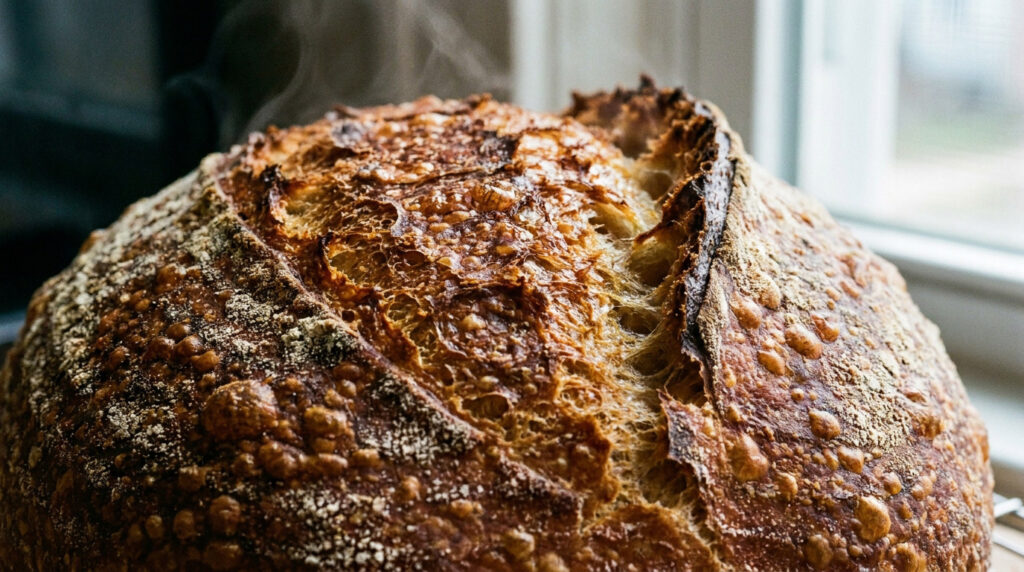
L'Europe a développé une grande variété de pains, des baguettes croustillantes françaises aux pains de seigle denses allemands. Le levain, l'une des plus anciennes formes de pain levé, est devenu un pilier de la boulangerie européenne. Sa saveur acidulée et sa longue fermentation le rendent à la fois délicieux et nutritif.
En Amérique latine, les pains à base de maïs, comme les tortillas, sont devenus essentiels aux cultures indigènes. Ces pains témoignent du patrimoine agricole de la région, où le maïs était considéré comme sacré. En Asie, les pains cuits à la vapeur, tels que les mantou chinois et le pain au lait japonais, illustrent des techniques uniques, différentes des traditions boulangères occidentales. Chaque type de pain raconte une histoire de géographie, de culture et d'évolution du goût humain.
Le pain comme reflet des changements sociaux et économiques
À travers l'histoire, le pain a reflété les conditions sociales et économiques. Au Moyen Âge, en Europe, le pain blanc était réservé aux riches, tandis que les paysans consommaient des pains plus foncés et plus grossiers. Cette distinction reflétait les divisions de classes et l'accès à la farine raffinée. Avec le temps, l'industrialisation a rendu le pain blanc plus accessible, mais les avancées modernes en nutrition ont ravivé l'intérêt pour les céréales complètes et les méthodes de panification traditionnelles.
En temps de guerre, de famine et de difficultés économiques, les pénuries de pain révélaient souvent des problèmes sociaux plus profonds. La Révolution française, par exemple, fut en partie alimentée par la hausse des prix du pain et la faim généralisée. Des émeutes du pain ont éclaté tout au long de l'histoire chaque fois que les chaînes d'approvisionnement étaient perturbées ou que les récoltes étaient mauvaises. Ces événements démontrent à quel point le pain est essentiel à la stabilité sociale.
La science et la nutrition du pain
La valeur nutritionnelle du pain dépend des céréales utilisées et de sa méthode de préparation. Les pains complets apportent des fibres, des vitamines, des minéraux et des glucides à digestion lente qui contribuent à un apport énergétique durable. La fermentation au levain favorise l'absorption des nutriments et améliore la digestibilité, ce qui en fait un choix plus sain pour de nombreuses personnes.
Cependant, le pain industriel moderne contient souvent des additifs, des conservateurs et de la farine raffinée qui le privent de nutriments. Ceci a suscité un regain d'intérêt pour la boulangerie artisanale, qui privilégie les méthodes traditionnelles et les ingrédients de qualité. L'essor mondial du pain fait maison, notamment pendant la pandémie, témoigne d'un désir de renouer avec la simplicité et l'authenticité du pain.
Le pain dans la culture moderne : la tradition rencontre l'innovation
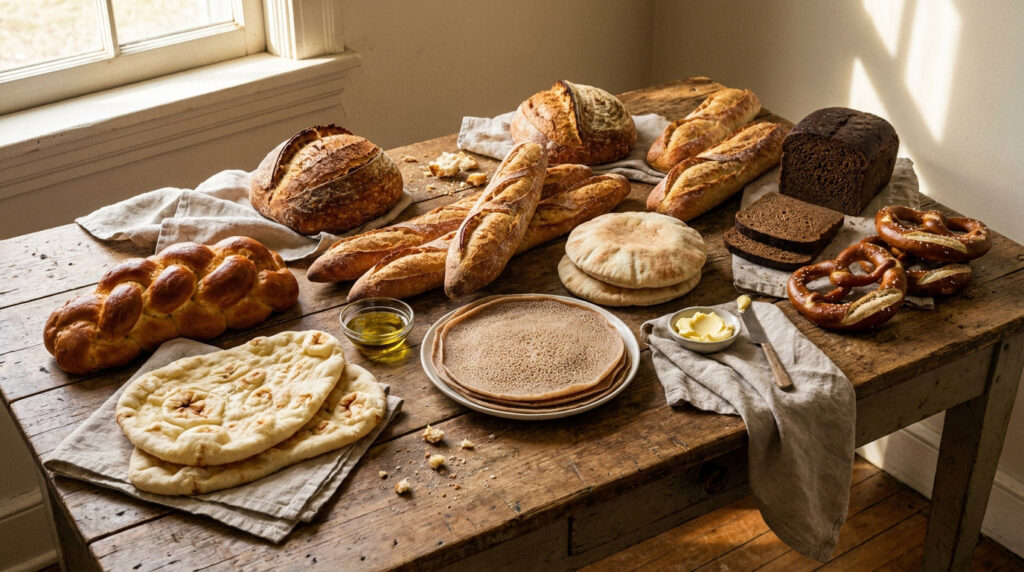
Aujourd'hui, le pain continue d'évoluer. Les boulangeries artisanales perpétuent des techniques ancestrales, tandis que les chefs expérimentent de nouvelles saveurs, de nouvelles céréales et de nouvelles méthodes de fermentation. Les pains sans gluten répondent aux besoins alimentaires spécifiques, tandis que les pains complets et germés séduisent les consommateurs soucieux de leur santé. Malgré ces innovations, le pain reste profondément ancré dans la tradition.
Dans de nombreuses cultures, le pain demeure un symbole d'hospitalité. Offrir du pain à ses invités est un geste chaleureux et généreux. Partager du pain à table crée un sentiment de convivialité et d'appartenance. Même dans la vie urbaine moderne, où la restauration rapide et les plats préparés sont omniprésents, le pain conserve sa place de convive réconfortant et familier.
Conclusion : Le pain est plus qu'un aliment, c'est un héritage culturel
Le pain est l'un des aliments les plus anciens et les plus répandus de l'humanité. Il a façonné des civilisations, nourri des générations et tissé des liens entre les communautés à travers le temps et l'espace. Sa signification culturelle, spirituelle et émotionnelle en fait bien plus qu'un simple aliment de base. Le pain est un symbole de vie, de résilience et d'humanité partagée. Qu'on le déguste sous forme de miche chaude achetée à la boulangerie du village, de pain plat garni de viande grillée ou de tranche de pain au levain tartinée de beurre, le pain porte en lui les histoires du passé et les saveurs du monde.