














- Preparing and Chilling the Beef
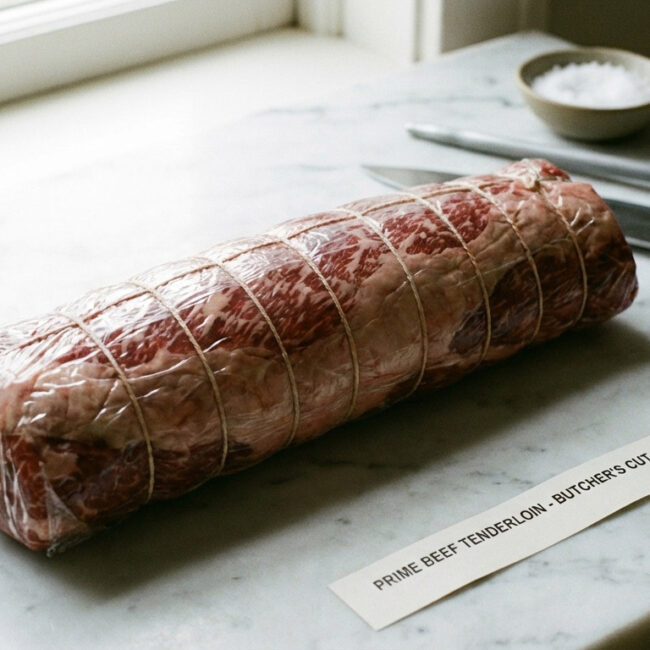
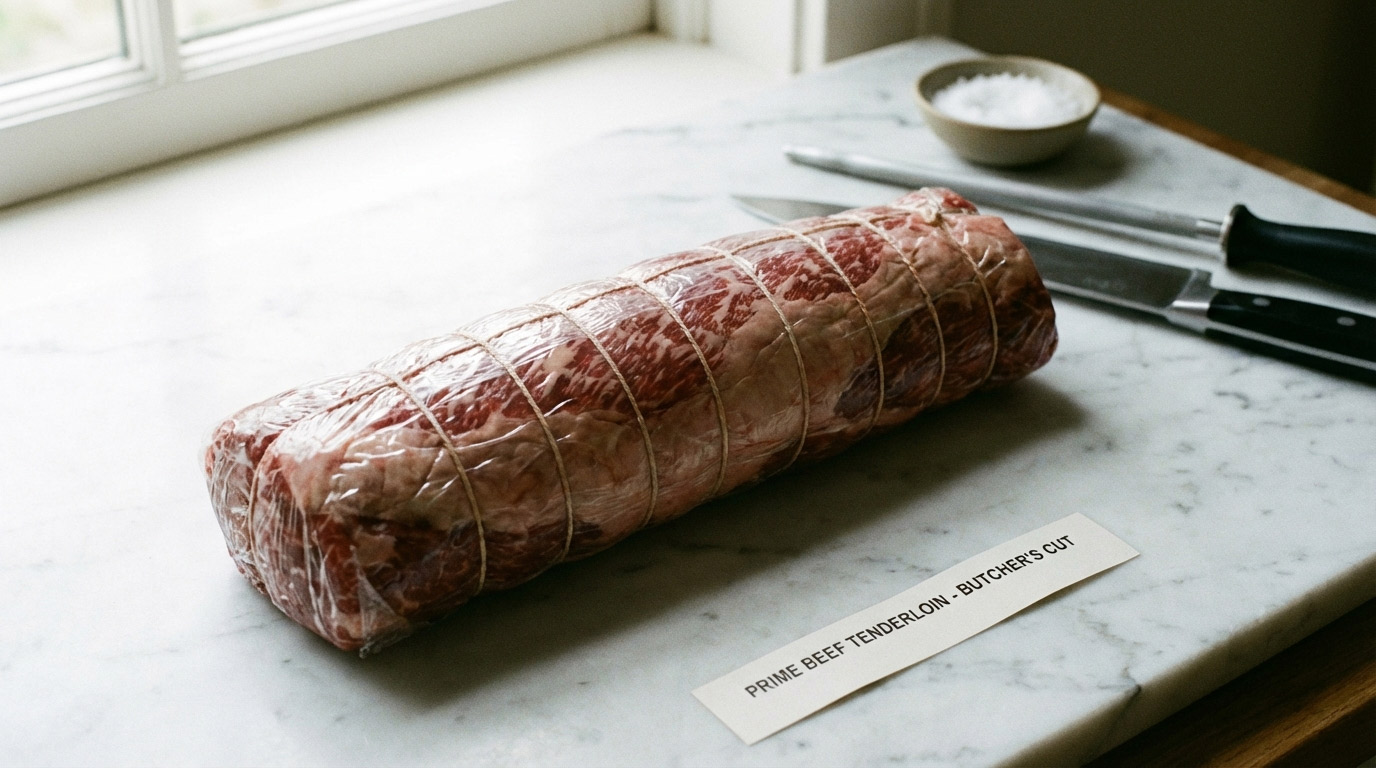
Wrap the beef tenderloin tightly in plastic wrap to create a uniform cylindrical shape. Place it in the freezer for about 1 to 2 hours. The goal is not to freeze it solid, but to make it firm enough so that you can slice it into paper-thin translucent sheets. This precision is what separates a professional carpaccio from a simple raw meat dish.
- Slicing and Plating
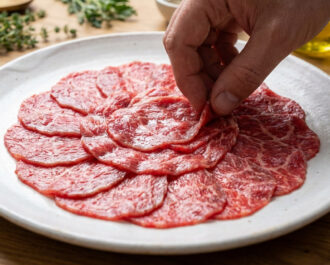
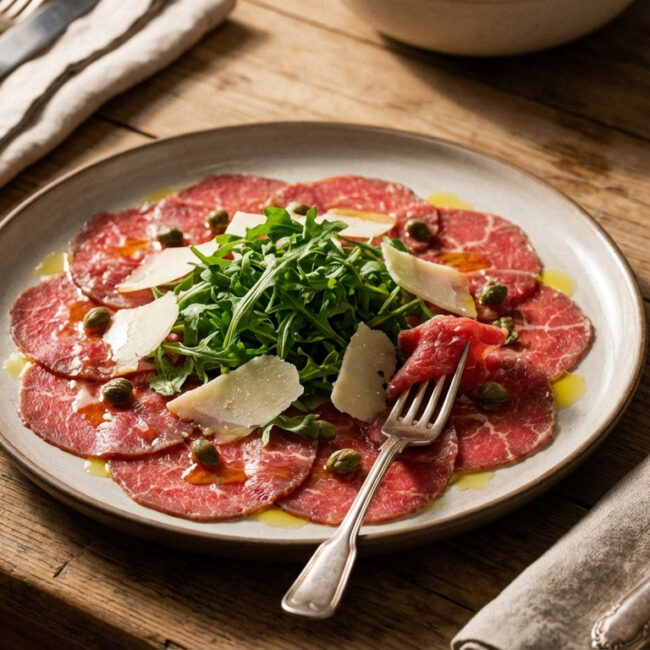
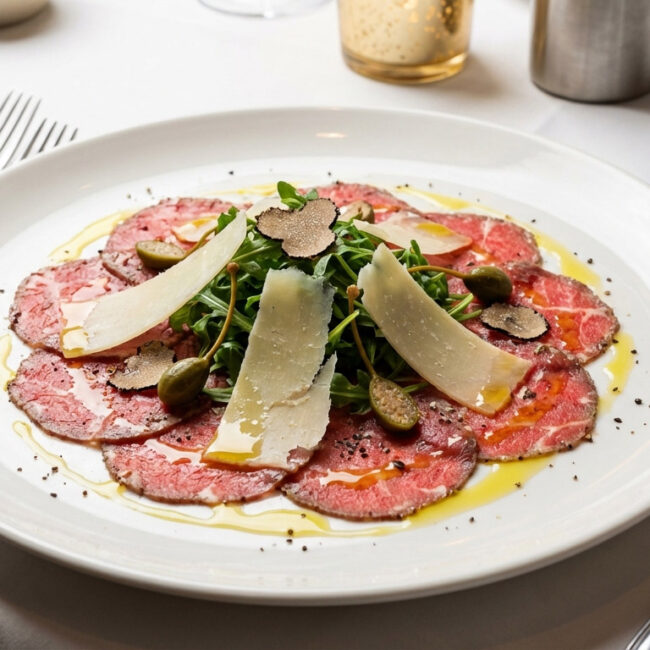
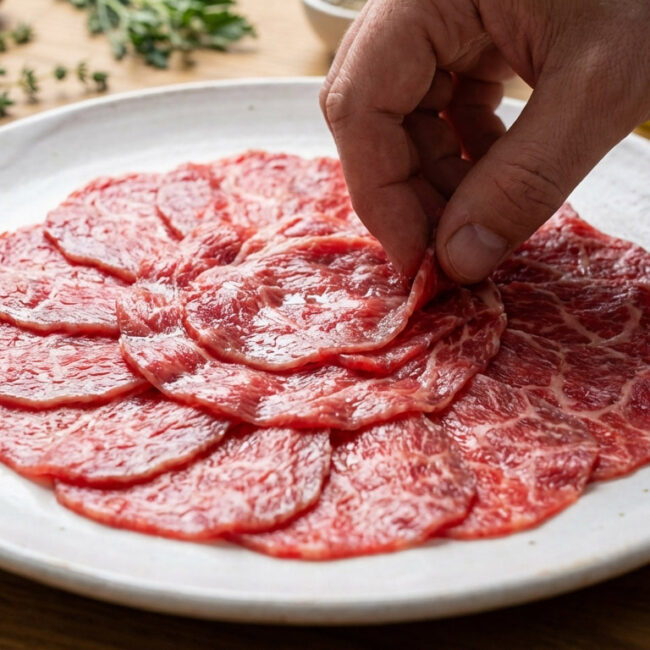
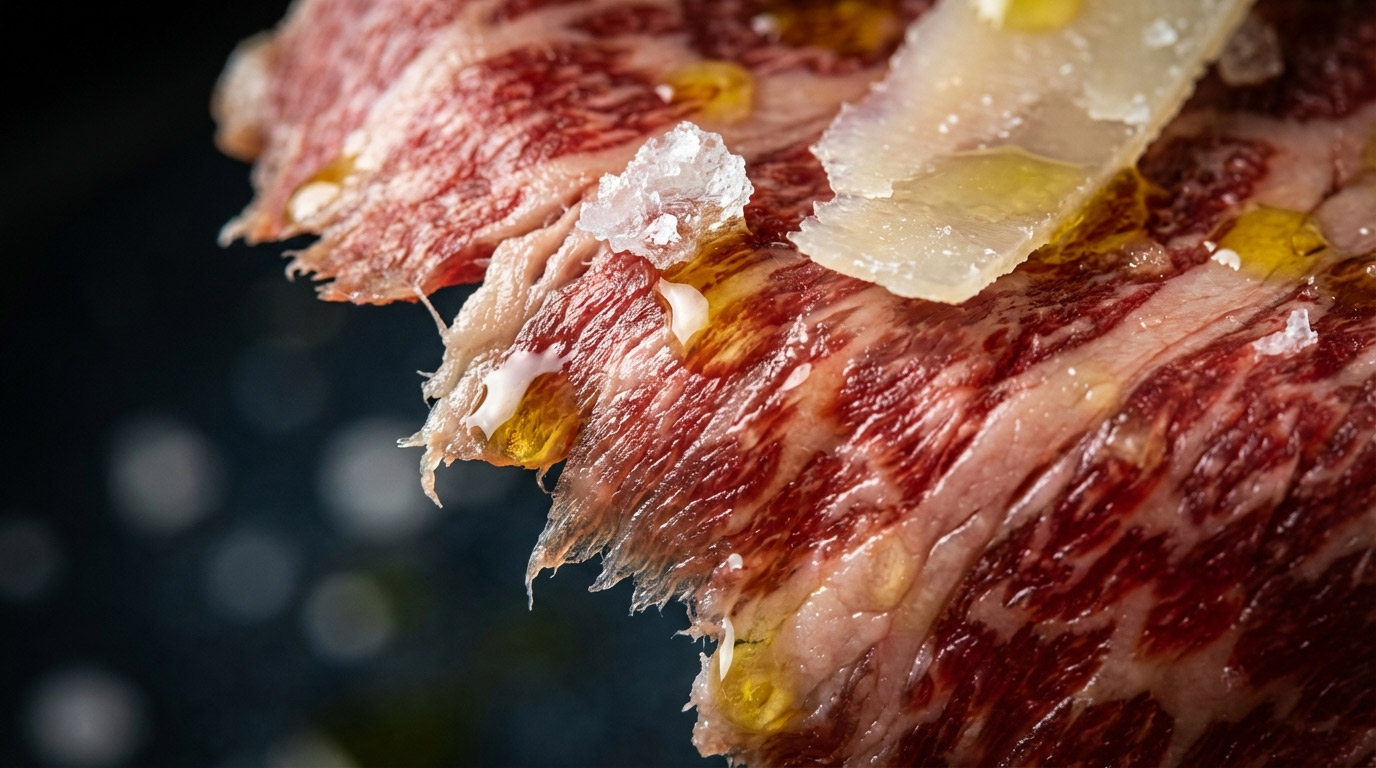
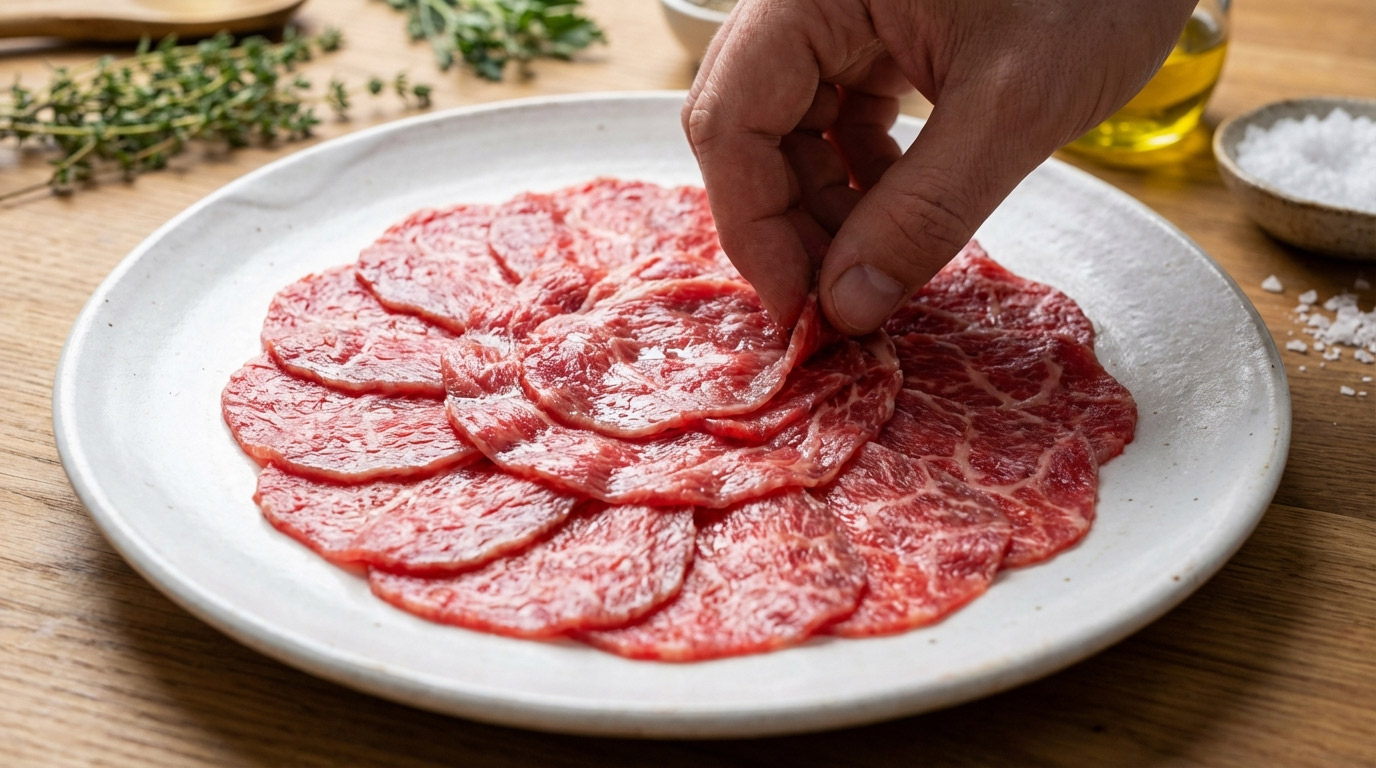
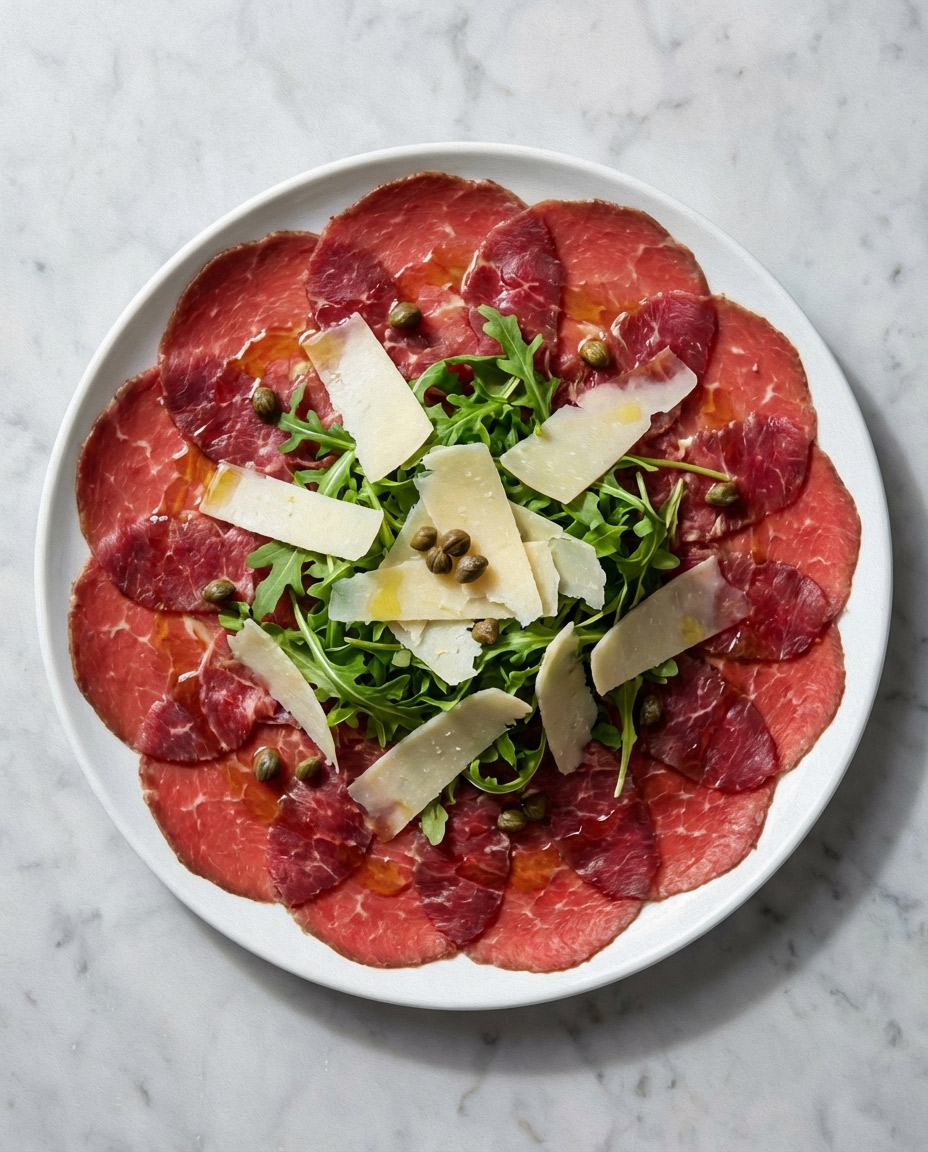
Using a very sharp chef’s knife or a meat slicer, cut the beef into the thinnest slices possible. Arrange the slices slightly overlapping on a chilled large white plate. If the slices are too thick, place them between two sheets of parchment paper and gently flatten them with a meat mallet. The meat should almost "melt" onto the plate.
- Dressing and Garnishing
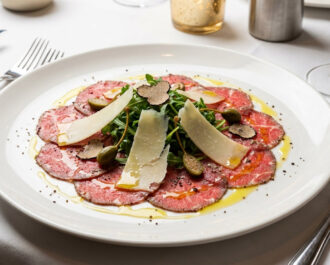
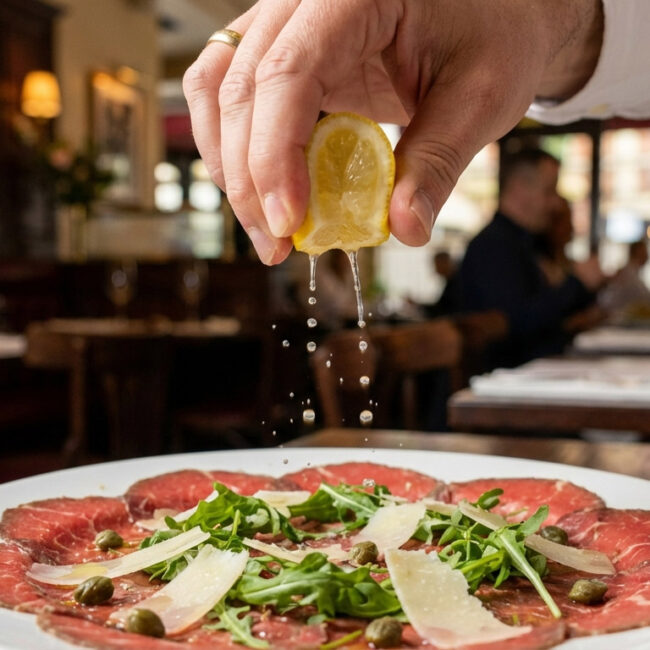
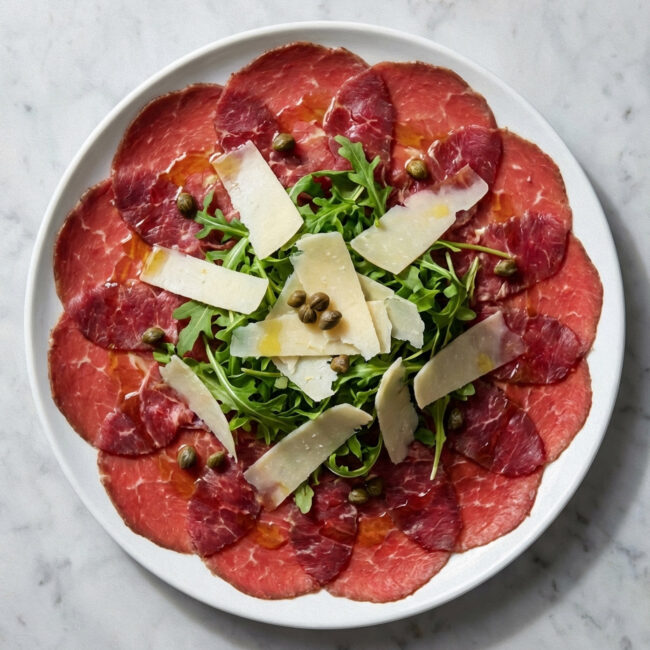
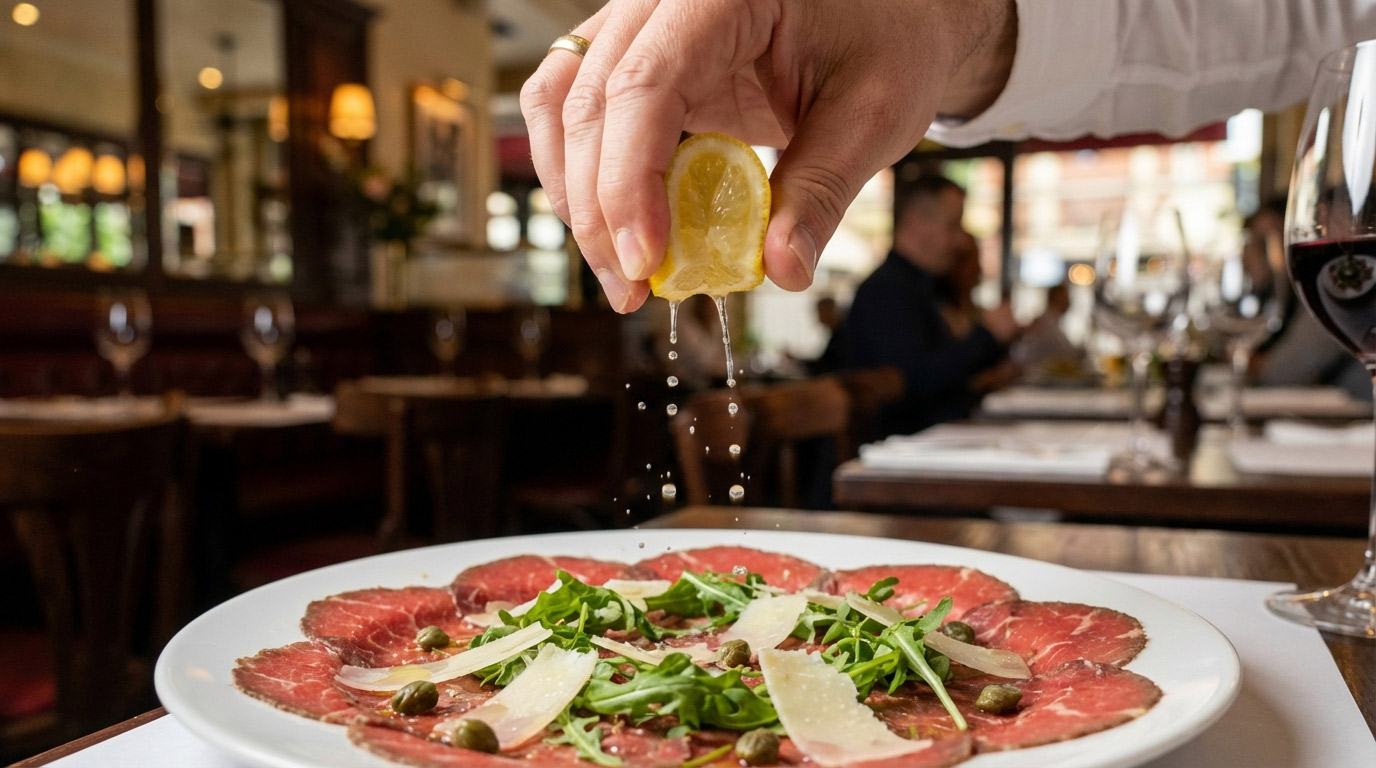
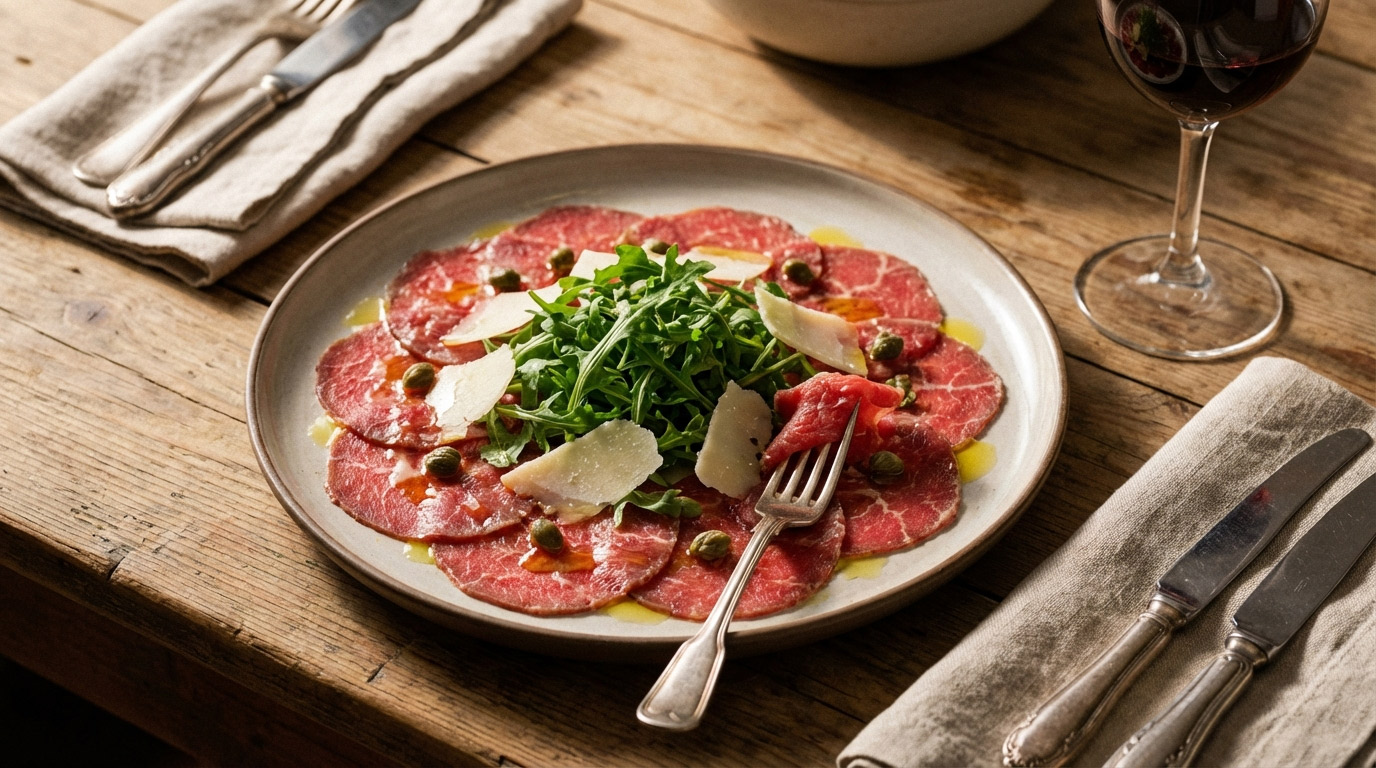
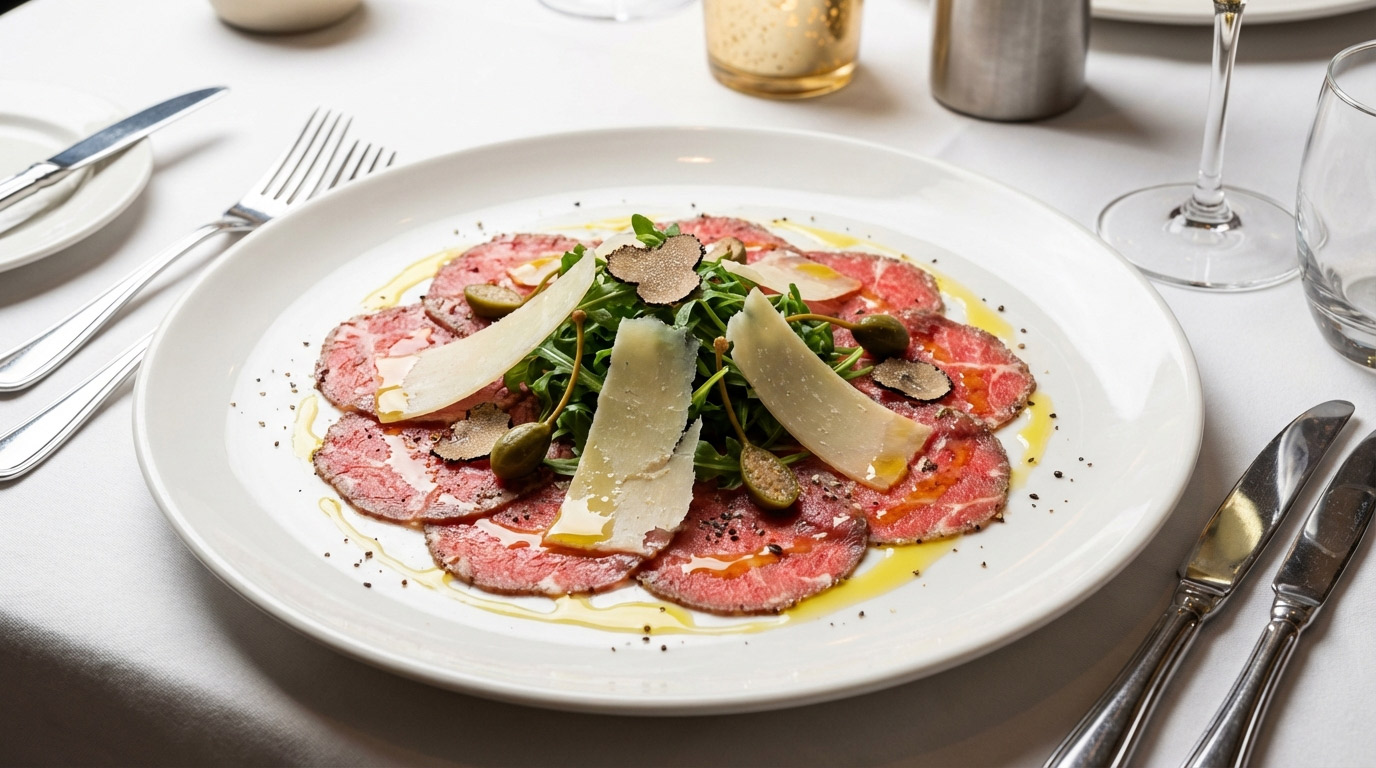
Whisk the olive oil and lemon juice together and drizzle evenly over the meat. Scatter the fresh arugula in the center, and top with large shavings of Parmesan cheese and capers. Season with freshly cracked black pepper and sea salt. The acidity of the lemon slightly "cooks" the surface of the beef, enhancing its natural tenderness.
- Kalorien:220 kcal%11%
- Protein:25 g%50%
- Kohlenhydrate:2 g%1%
- Zucker:0.5 g%1%
- Salz:0.8 g%13%
- Energie:920 kJ%11%
- Fett:12 g%17%
Beef Carpaccio is a testament to the elegance of raw ingredients, originating in 1950 at Harry’s Bar in Venice, Italy. Created by Giuseppe Cipriani for a countess who was advised by doctors to eat raw meat, the dish was named after the Venetian painter Vittore Carpaccio, known for using brilliant reds and whites in his work. Culturally, it represents the peak of Italian “antipasto” culture light, refreshing, and sophisticated. The dish relies entirely on the quality of the beef and the balance between the peppery arugula, the salty Parmesan, and the acidic lemon dressing.