











Die Geschichte der Gewürze: Wie Geschmack, Medizin und globaler Handel die menschliche Zivilisation prägten
- 7. Mai 2026
- 5 Min Read
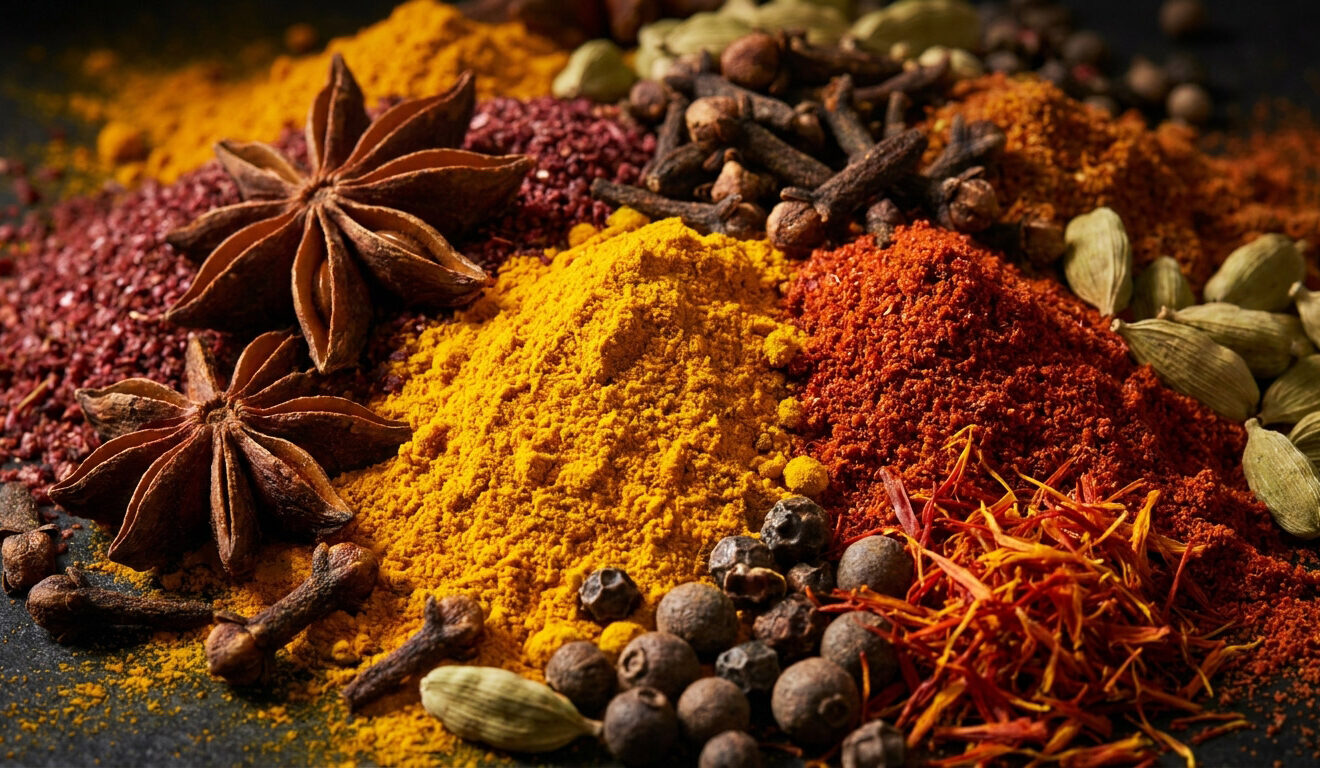
Spices Humanity’s Oldest Treasure
Spices are far more than flavor enhancers. They are symbols of power, wealth, medicine, culture, and global connection. For thousands of years, spices shaped empires, fueled exploration, inspired wars, and transformed the way humans eat and heal. Long before modern medicine or global trade networks existed, spices were among the most valuable commodities on Earth sometimes worth more than gold.
This article takes you on a deep journey through the history of spices: their origins, their medicinal uses, their role in ancient trade routes, and how they influenced world cuisines. From the temples of ancient Egypt to the bustling markets of India, from the Silk Road to European exploration, spices have played a central role in shaping human civilization.
1. The Origins of Spices: Where It All Began
Spices have been used for over 6,000 years, with some of the earliest records found in ancient Egypt, Mesopotamia, India, and China.
Ancient Egypt: Spices for Life and Death
Egyptians used spices for:
- Cooking
- Medicine
- Cosmetics
- Religious rituals
- Mummification
Cinnamon, cumin, coriander, and garlic were among the most prized. Archaeologists even discovered black peppercorns in the nostrils of Pharaoh Ramses II proof of its importance in burial rituals.
India: The Birthplace of Many Spices
India is home to some of the world’s most iconic spices:
- Turmeric
- Black pepper
- Cardamom
- Kreuzkümmel
- Coriander
Ancient Ayurvedic texts describe spices as essential for balancing the body’s energies and treating illness.
China: The First Spice Pharmacists
Chinese medicine used spices like:
- Ingwer
- Star anise
- Sichuan pepper
- Zimt
These spices were believed to warm the body, improve digestion, and restore energy.
Mesopotamia: The First Recorded Recipes
Clay tablets from 1700 BCE contain some of the world’s oldest recipes, featuring garlic, mustard, and coriander.
2. Spices as Ancient Medicine
Before modern pharmaceuticals, spices were the primary tools for healing.
Turmeric: The Golden Healer
Used for:
- Inflammation
- Wounds
- Digestive issues
- Skin conditions
Curcumin, turmeric’s active compound, is still studied today for its medicinal properties.
Ginger: The Universal Remedy
Used for:
- Nausea
- Colds
- Digestion
- Joint pain
Ginger remains one of the most widely used medicinal spices.
Garlic: Nature’s Antibiotic
Ancient civilizations used garlic to treat:
- Infections
- Parasites
- High blood pressure
- Respiratory issues
Cinnamon: The Sweet Medicine
Used for:
- Blood sugar control
- Circulation
- Colds
- Inflammation
Cloves: The Ancient Painkiller
Cloves were used for:
- Toothaches
- Infections
- Digestive problems
The medicinal value of spices made them essential in ancient societies.
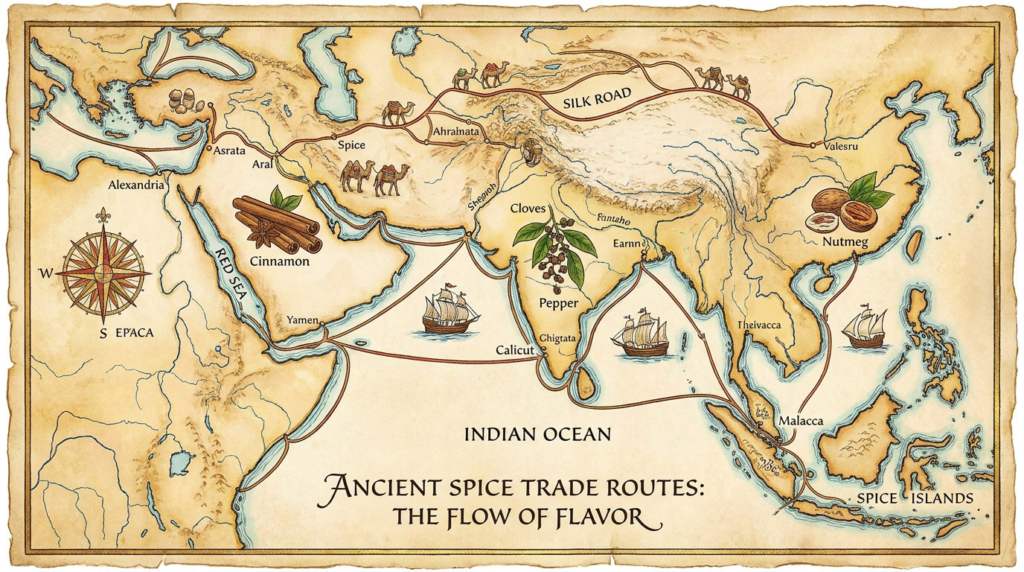
3. The Spice Routes: How Spices Connected the World
Spices were so valuable that they created entire global trade networks.
The Silk Road
A vast network connecting:
- China
- Indien
- Persia
- Arabia
- Europe
Spices like cinnamon, ginger, and pepper traveled thousands of kilometers along this route.
The Maritime Spice Route
Arab traders dominated sea routes connecting:
- Indien
- Southeast Asia
- East Africa
- The Middle East
These routes made spices accessible to Europe long before the Age of Exploration.
Why Spices Were So Valuable
- They preserved food
- They flavored bland diets
- They treated illness
- They symbolized wealth
- They were rare and difficult to transport
In medieval Europe, a handful of peppercorns could pay rent or taxes.
4. The Age of Exploration: Spices That Changed the World
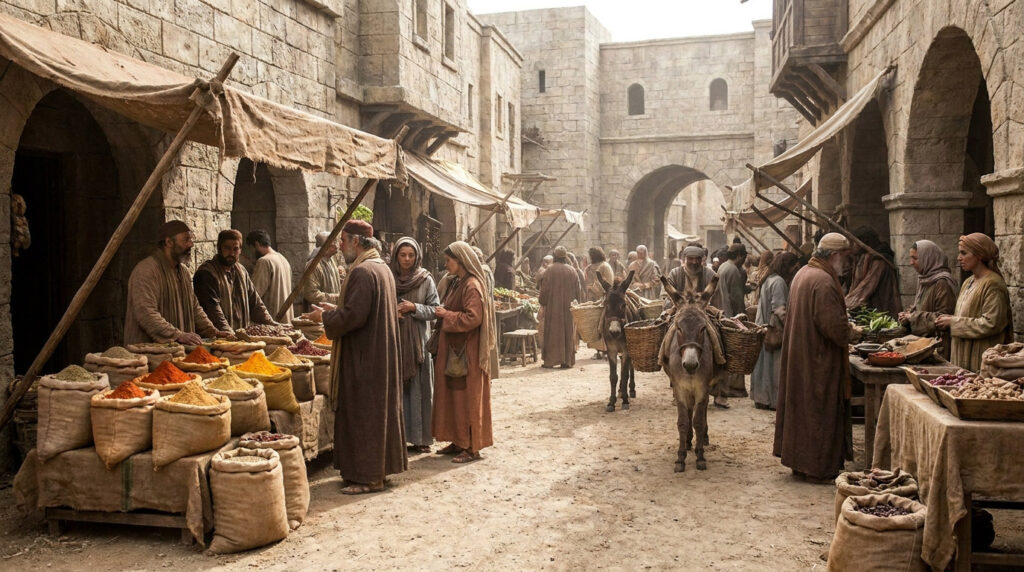
The desire for spices sparked one of the most transformative periods in human history.
European Obsession With Spices
Europeans craved:
- Pepper
- Zimt
- Muskatnuss
- Cloves
- Ingwer
But Arab and Indian traders controlled the supply, making spices extremely expensive.
The Search for New Routes
This led to:
- Columbus sailing west
- Vasco da Gama reaching India
- Magellan circumnavigating the globe
All in pursuit of spices.
The Spice Wars
European powers fought for control of spice‑producing islands, especially:
- The Moluccas (Indonesia)
- Sri Lanka
- Indien
The Dutch, Portuguese, and British all battled for dominance.
5. How Spices Shaped World Cuisines
Every major cuisine in the world is defined by its spices.
Indien
Known for:
- Turmeric
- Kreuzkümmel
- Coriander
- Cardamom
- Garam masala
Indian cuisine is one of the most spice‑rich in the world.
Naher Osten
Famous for:
- Sumac
- Za’atar
- Saffron
- Zimt
These spices create warm, aromatic flavors.
China
Uses:
- Star anise
- Sichuan pepper
- Ingwer
- Five‑spice blend
Chinese cuisine balances heat, sweetness, and aroma.
Mexico
Built on:
- Chili peppers
- Cacao
- Zimt
Mexican cuisine blends ancient Mesoamerican and Spanish influences.
Turkey
A crossroads of spice culture, using:
- Paprika
- Kreuzkümmel
- Mint
- Sumac
Turkish cuisine reflects centuries of trade and empire.
6. The Science Behind Spice Flavor and Aroma
Spices contain essential oils and chemical compounds that create:
- Hitze
- Sweetness
- Bitterness
- Aroma
- Warmth
For example:
- Capsaicin gives chili peppers heat
- Piperine gives black pepper its bite
- Cinnamaldehyde gives cinnamon its sweetness
These compounds also have antioxidant and anti‑inflammatory properties.
7. The Modern Revival of Spices
Today, spices are more popular than ever due to:
- Global cuisine trends
- Health and wellness movements
- Scientific research
- Increased availability
Spices are now recognized as:
- Anti‑inflammatory
- Antioxidant
- Immune‑boosting
- Digestive‑supporting
They are essential in both cooking and natural medicine.
8. How to Store and Use Spices for Maximum Flavor
Storage Tips
- Keep away from heat
- Store in airtight containers
- Avoid sunlight
- Replace ground spices every 6–12 months
Cooking Tips
- Toast spices to release aroma
- Add delicate spices at the end
- Add whole spices early for deeper flavor
- Combine spices to create blends
Spices Are the Story of Humanity
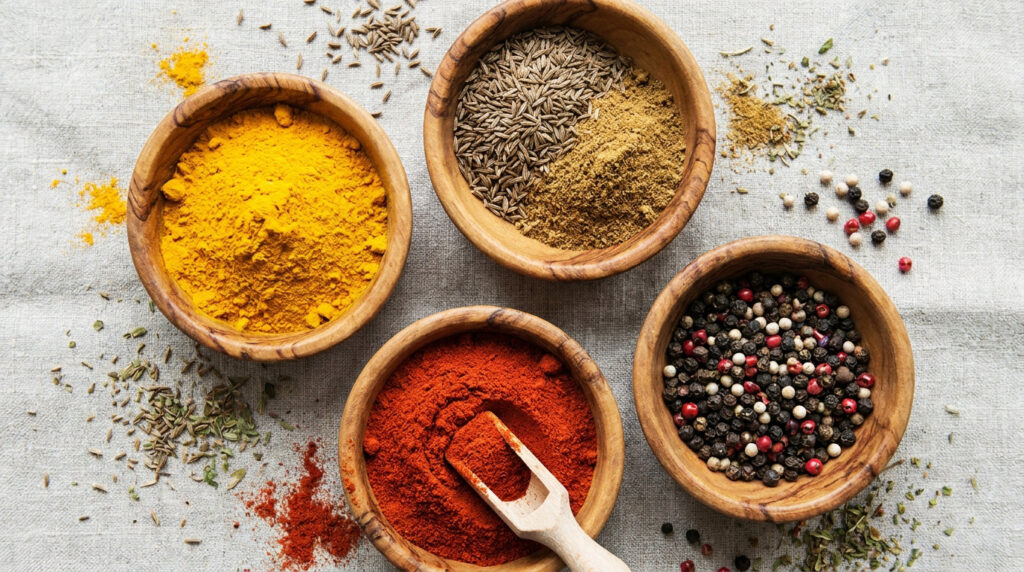
Spices are more than ingredients they are history, medicine, culture, and connection. They shaped trade routes, inspired exploration, influenced empires, and transformed global cuisine. Today, they continue to enrich our meals and improve our health. Understanding the history of spices is understanding the history of civilization itself.