













Why Protein Matters: The Essential Nutrient Behind Strength, Energy, and Long‑Term Health
- May 21, 2026
- 6 Min Read

Protein as the Foundation of Human Health
Protein is one of the most essential nutrients for the human body, yet it is often misunderstood or overlooked in modern diets. While carbohydrates and fats receive much attention sometimes praise, sometimes criticism protein remains the quiet workhorse behind nearly every biological function. It builds muscle, repairs tissues, supports hormones, fuels metabolism, strengthens immunity, and keeps the body functioning smoothly. Without adequate protein, the body cannot grow, heal, or maintain itself. This article explores why protein is so important, how it affects every system in the body, and how to incorporate healthy protein sources into daily meals for long‑term wellness.
What Protein Really Does Inside the Body
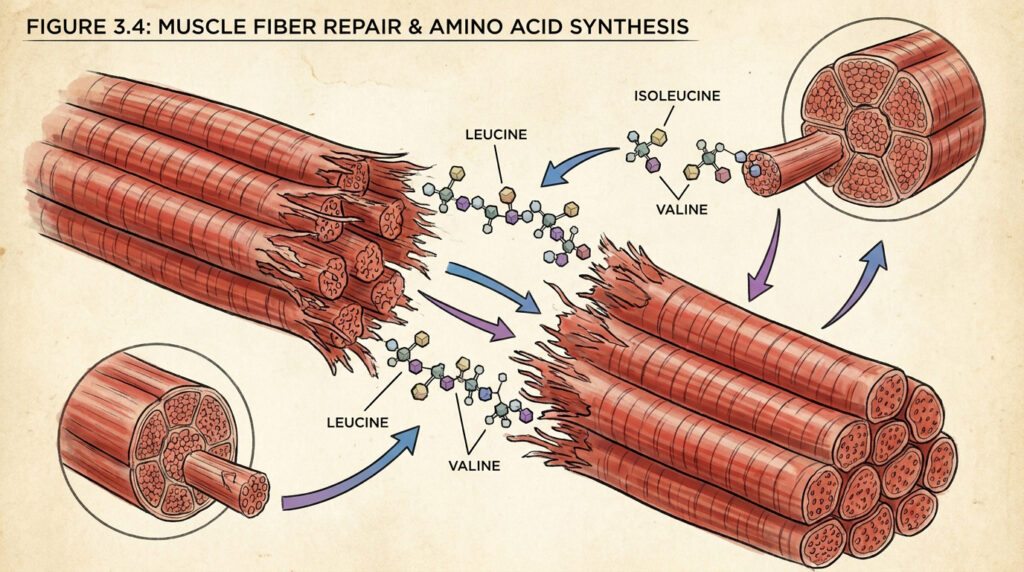
Protein is made up of amino acids, often called the “building blocks of life.” These amino acids form the structure of muscles, bones, skin, hair, and organs. They also create enzymes, hormones, antibodies, and neurotransmitters the chemical messengers that allow the body to function.
When you eat protein, the body breaks it down into amino acids and uses them to repair tissues, build new cells, and support metabolic processes. Unlike carbohydrates and fats, the body cannot store protein for later use. This means that daily intake is essential. Without enough protein, the body begins breaking down muscle tissue to meet its needs, leading to weakness, fatigue, and long‑term health problems.
Protein and Muscle Health: More Than Just Strength
Protein is most commonly associated with muscle growth, and for good reason. Muscles are constantly breaking down and rebuilding, even when the body is at rest. Protein provides the raw materials needed for this repair process. Whether you are an athlete, a casual exerciser, or someone simply trying to stay healthy, protein is essential for maintaining muscle mass.
As people age, muscle loss becomes a major concern. After the age of 30, the body naturally begins losing muscle mass a process known as sarcopenia. Adequate protein intake, combined with physical activity, is one of the most effective ways to slow this decline. Maintaining muscle mass is crucial not only for strength but also for balance, mobility, and metabolic health.
Protein and Metabolism: Fueling the Body’s Engine
Protein plays a significant role in metabolism. It requires more energy to digest compared to carbohydrates and fats, which means the body burns more calories processing it. This is known as the thermic effect of food. As a result, diets higher in protein can support weight management by increasing calorie expenditure and reducing hunger.
Protein also helps regulate blood sugar levels. When consumed with carbohydrates, it slows the absorption of glucose into the bloodstream, preventing spikes and crashes that lead to cravings and fatigue. This makes protein especially important for people with insulin resistance or those trying to maintain stable energy throughout the day.
Protein and Immunity: The Body’s Defense System
The immune system relies heavily on protein. Antibodies the molecules that fight infections are made of protein. So are many of the cells that identify and destroy harmful pathogens. Without adequate protein, the immune system becomes weakened, making the body more vulnerable to illness.
During times of stress, injury, or illness, the body’s protein needs increase. This is because the body requires more amino acids to repair tissues and support immune function. Ensuring consistent protein intake is one of the simplest ways to strengthen the body’s natural defenses.
Protein and Hormones: The Body’s Chemical Messengers
Hormones regulate everything from mood to metabolism, and many of them are made from amino acids. Protein supports the production of hormones such as insulin, growth hormone, and neurotransmitters like serotonin and dopamine. These chemicals influence appetite, sleep, stress response, and emotional well‑being.
When protein intake is too low, hormonal imbalances can occur. This may lead to fatigue, mood swings, poor concentration, and difficulty managing weight. A balanced diet with adequate protein helps maintain hormonal stability and supports overall mental and physical health.
Protein and Skin, Hair, and Nails: Beauty from Within
Protein is essential for healthy skin, hair, and nails. Collagen, the most abundant protein in the body, provides structure and elasticity to the skin. Keratin, another protein, forms the foundation of hair and nails. Without enough protein, these tissues become weak, brittle, and prone to damage.
Many people turn to supplements or beauty products to improve their appearance, but true beauty begins with nutrition. A diet rich in high‑quality protein supports cell regeneration, slows signs of aging, and promotes strong, healthy hair and nails.
Signs You May Not Be Getting Enough Protein
Protein deficiency can be subtle at first, but over time it leads to noticeable symptoms. Common signs include fatigue, muscle weakness, slow recovery after exercise, thinning hair, brittle nails, frequent illness, and difficulty concentrating. People who skip meals, follow restrictive diets, or rely heavily on processed foods are especially at risk.
Even mild protein deficiency can impact daily life. Low energy, cravings, and mood fluctuations are often linked to inadequate protein intake. Paying attention to these signals can help prevent long‑term health issues.
Healthy Sources of Protein: Animal and Plant Options
Protein comes from a wide variety of foods, making it accessible for all dietary preferences. Animal‑based proteins such as chicken, fish, eggs, dairy, and lean meats contain all essential amino acids, making them complete proteins. They are highly bioavailable, meaning the body absorbs them efficiently.
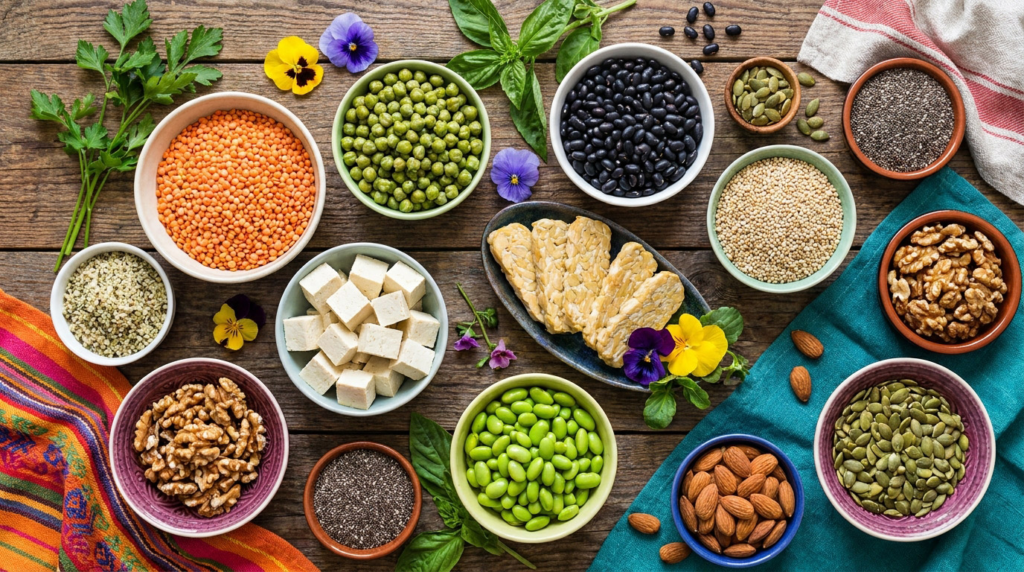
Plant‑based proteins such as beans, lentils, chickpeas, tofu, tempeh, nuts, and seeds offer fiber, antioxidants, and essential nutrients. While some plant proteins are incomplete, combining different sources throughout the day provides all necessary amino acids. For example, rice and beans together form a complete protein.
Both animal and plant proteins have unique benefits, and a balanced diet can include a mix of both depending on personal preference.
How Much Protein Do You Really Need?
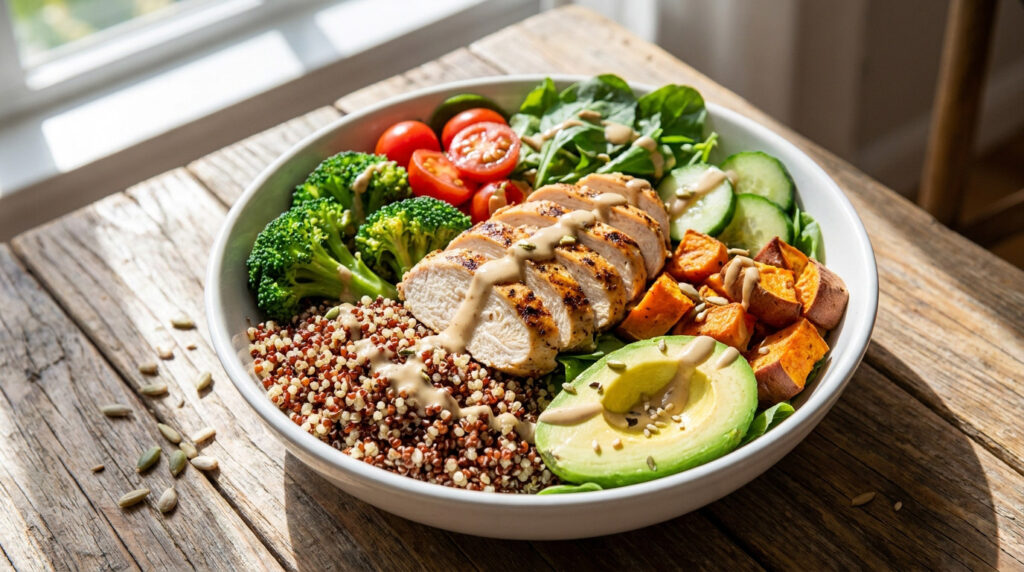
Protein needs vary based on age, activity level, and overall health. Athletes, older adults, and people recovering from illness may require more protein than the average person. While general guidelines exist, the most important factor is consistency. Eating protein at each meal helps maintain stable energy, support muscle repair, and prevent overeating.
Spreading protein intake throughout the day is more effective than consuming large amounts at once. This ensures a steady supply of amino acids for the body’s ongoing repair and maintenance processes.
Protein Is the Key to a Strong, Healthy, and Balanced Life
Protein is far more than a nutrient for athletes it is the foundation of human health. It supports muscles, metabolism, immunity, hormones, skin, hair, and overall vitality. In a world where processed foods and irregular eating habits are common, prioritizing protein is one of the simplest and most effective ways to improve long‑term wellness. Whether you choose animal‑based or plant‑based sources, incorporating high‑quality protein into daily meals can transform your energy, strength, and overall well‑being.