













Herbs Through History: How Ancient Healing Plants Became Essential Ingredients in Modern Cooking
- May 19, 2026
- 6 Min Read
Herbs as Humanity’s First Medicine and Flavor
Long before modern medicine, pharmaceuticals, or scientific nutrition existed, humans relied on the natural world for healing. Herbs were among the earliest tools used to treat illness, preserve food, and enhance flavor. They were more than ingredients they were symbols of wisdom, spirituality, and survival. Across continents and civilizations, herbs shaped cultural identity, influenced culinary traditions, and formed the foundation of ancient medical systems. Today, herbs remain essential in kitchens around the world, connecting modern cooking to thousands of years of human history. This article explores the fascinating journey of herbs from ancient healing practices to their indispensable role in contemporary cuisine.
The Ancient Roots of Herbal Medicine
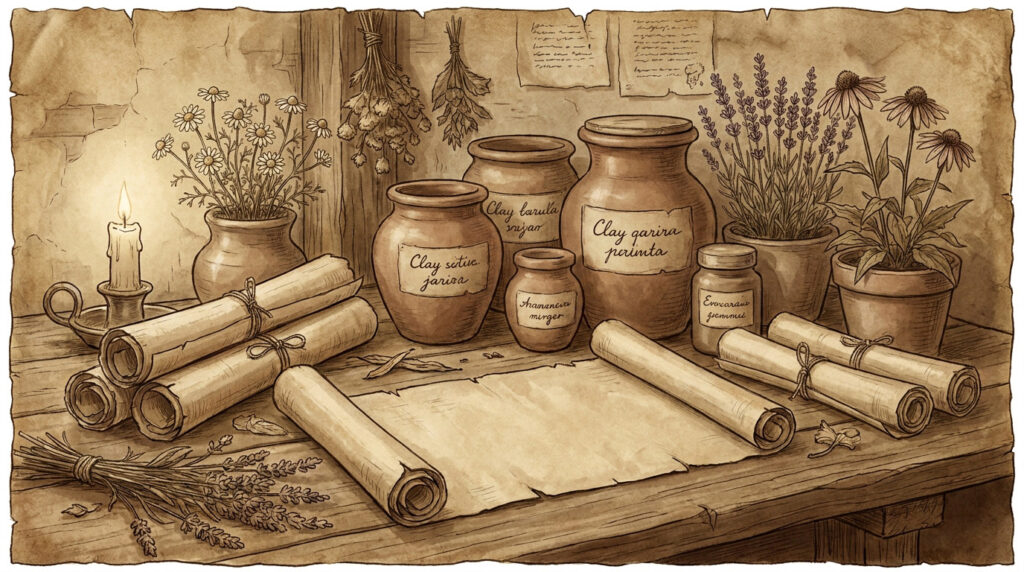
Herbal medicine is one of the oldest healing traditions known to humanity. Archaeological evidence shows that early humans used plants for medicinal purposes as far back as 60,000 years ago. Ancient civilizations developed sophisticated herbal systems that continue to influence modern natural medicine.
In ancient Egypt, herbs such as mint, thyme, and garlic were used to treat digestive issues, infections, and respiratory problems. Egyptian medical papyri describe hundreds of herbal remedies, demonstrating a deep understanding of plant properties. Priests and healers used herbs not only for physical ailments but also in spiritual rituals, believing that plants carried divine energy.
In China, herbal medicine became a cornerstone of Traditional Chinese Medicine (TCM). Texts like the Shennong Ben Cao Jing cataloged hundreds of herbs, detailing their effects on the body’s energy systems. Ginger, ginseng, and cinnamon were prized for their warming properties, while chrysanthemum and mint were used to cool and soothe the body.
India’s Ayurvedic tradition also placed herbs at the center of healing. Turmeric, holy basil, ashwagandha, and cumin were used to balance the body’s doshas and support digestion, immunity, and mental clarity. Ayurveda emphasized the connection between food and medicine, a philosophy that continues to shape Indian cuisine today. These ancient systems laid the foundation for herbal knowledge that has survived for millennia.
Herbs in the Classical World: Greece and Rome
The Greeks and Romans expanded herbal knowledge through observation, experimentation, and documentation. Hippocrates, often called the father of modern medicine, believed that food and herbs were essential to maintaining health. He famously said, “Let food be thy medicine,” a philosophy that still resonates today.
Greek scholars like Theophrastus and Dioscorides wrote extensive works on botany and herbal medicine. Dioscorides’ De Materia Medica became one of the most influential medical texts in history, used for over 1,500 years. It described the properties of herbs such as oregano, sage, rosemary, and bay leaves plants that remain staples in Mediterranean cooking.
The Romans adopted Greek herbal knowledge and integrated it into daily life. They used herbs for cooking, healing, bathing, and perfumery. Roman soldiers carried garlic for strength and protection, while households grew herbs in courtyard gardens. Many of the herbs popular in Western cuisine today basil, thyme, parsley, and mint were cultivated extensively during this period.
Herbs in the Middle Ages: Preservation, Protection, and Culinary Evolution
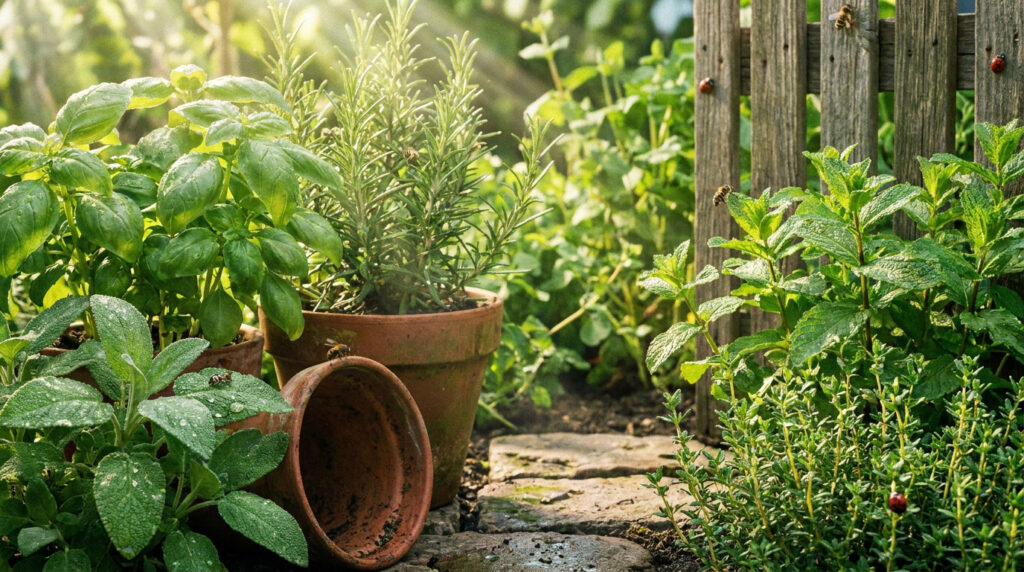
During the Middle Ages, herbs played a crucial role in both medicine and food preservation. Without refrigeration, herbs and spices were essential for preventing spoilage and masking the flavors of aging meats. Monasteries became centers of herbal knowledge, where monks cultivated medicinal gardens and preserved ancient texts. Herbs were also believed to protect against disease and evil spirits. Lavender was used to purify homes, rosemary was burned to cleanse the air, and sage was thought to bring wisdom and longevity. These beliefs influenced how herbs were used in daily life, blending practical and spiritual purposes.
Culinary traditions also evolved during this period. European cooking began incorporating herbs more intentionally, creating flavor profiles that still define regional cuisines. French cuisine embraced tarragon, chervil, and thyme; Italian cooking celebrated basil, oregano, and rosemary; and British dishes relied on parsley, mint, and sage.
The Global Spread of Herbs Through Trade and Exploration
As trade routes expanded, herbs traveled across continents, influencing new cultures and cuisines. The Silk Road connected Asia, the Middle East, and Europe, allowing herbs like saffron, cardamom, and turmeric to reach distant lands. Arab traders introduced herbs and spices to Mediterranean markets, transforming European cooking.
The Age of Exploration further accelerated the global exchange of plants. European explorers brought herbs to the Americas and returned with new species such as chili peppers, vanilla, and allspice. Indigenous cultures in the Americas had their own rich herbal traditions, using plants like cilantro, epazote, and cacao for both food and medicine. This global exchange created a culinary mosaic, blending herbal traditions from different cultures into the diverse cuisines we know today.
Herbs in Modern Cooking: Flavor, Aroma, and Health
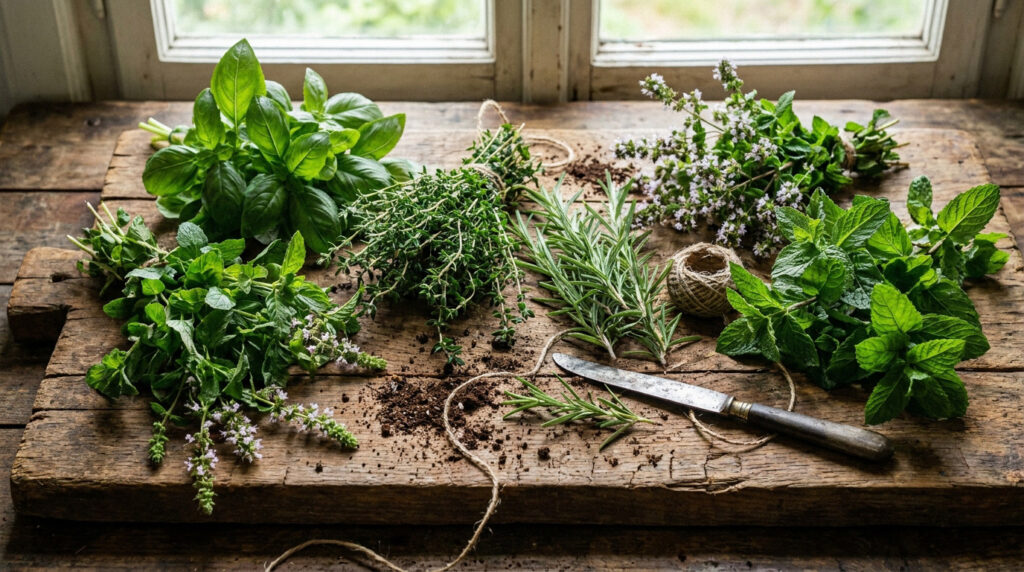
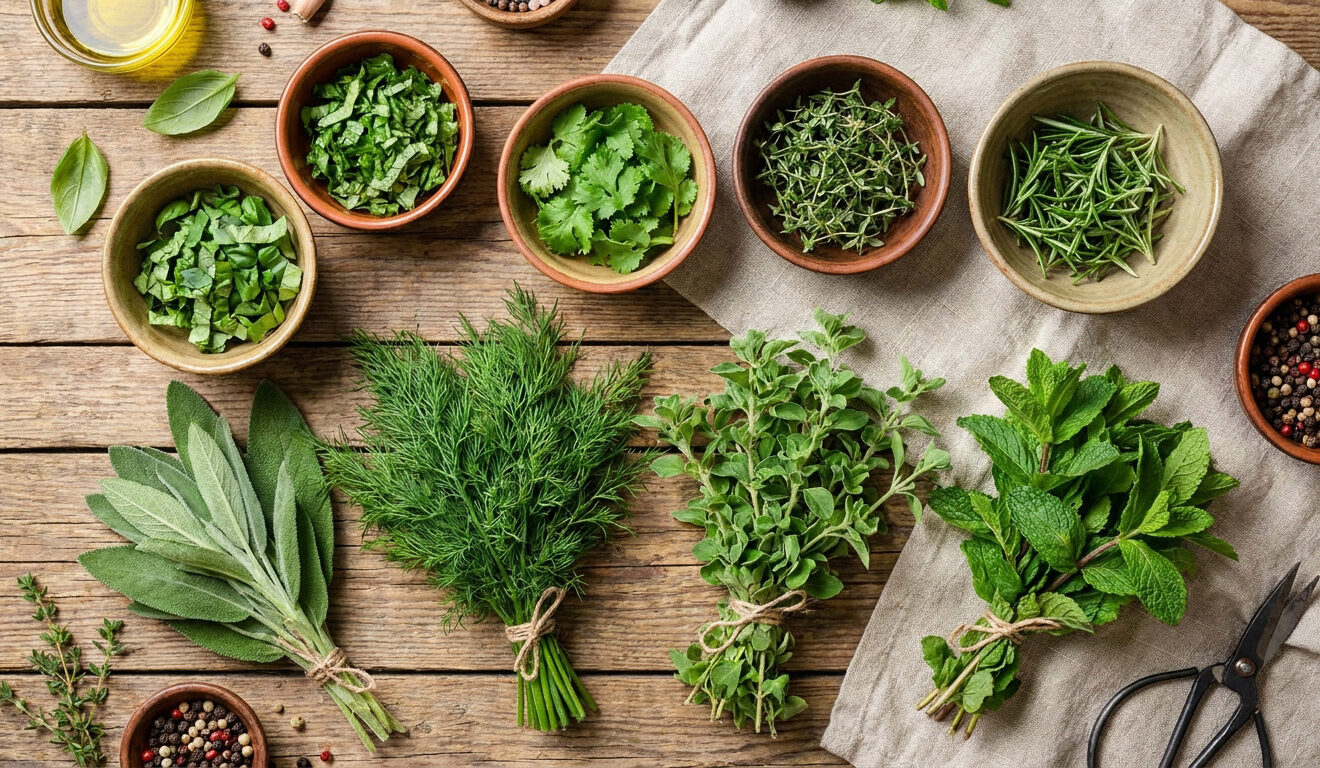
Today, herbs are essential in kitchens around the world. They add depth, aroma, and complexity to dishes, transforming simple ingredients into flavorful meals. Fresh herbs like basil, cilantro, dill, and parsley brighten salads, soups, and sauces. Woody herbs like rosemary, thyme, and sage enhance roasted meats and vegetables. Mint adds freshness to desserts and beverages, while oregano and marjoram bring warmth to Mediterranean dishes.
Beyond flavor, herbs offer significant health benefits. Many contain antioxidants, anti‑inflammatory compounds, and essential nutrients. Turmeric supports joint health, ginger aids digestion, garlic boosts immunity, and rosemary improves circulation. Modern research continues to validate the medicinal properties that ancient cultures recognized thousands of years ago.
Herbs also support sustainable cooking. They require minimal space to grow, thrive in home gardens, and reduce the need for artificial flavor enhancers. As people seek natural, wholesome ingredients, herbs have become central to healthy eating.
The Cultural Meaning of Herbs Today
Herbs remain deeply symbolic in many cultures. In the Middle East, za’atar represents hospitality and tradition. In Italy, basil is associated with love and passion. In Japan, shiso is used in ceremonies and seasonal dishes. In Mexico, cilantro is a defining flavor of national cuisine. Herbs also play a role in celebrations and rituals. Parsley is used during Passover, rosemary at weddings, and mint during Ramadan. These traditions highlight the emotional and cultural significance of herbs beyond their culinary uses.
Conclusion: Herbs Are the Bridge Between Past and Present
Herbs connect us to our ancestors, our cultures, and the natural world. They carry the wisdom of ancient civilizations, the flavors of global cuisines, and the healing power of nature. Whether used in a simple home‑cooked meal or a sophisticated dish, herbs enrich our lives with aroma, nourishment, and history. Their journey from ancient medicine to modern kitchens is a testament to their enduring value a reminder that the simplest ingredients often hold the greatest power.