













The Global Evolution of Street Food: How Humble Dishes Became Cultural Icons
- May 13, 2026
- 7 Min Read
Street Food as the Heartbeat of Global Cuisine
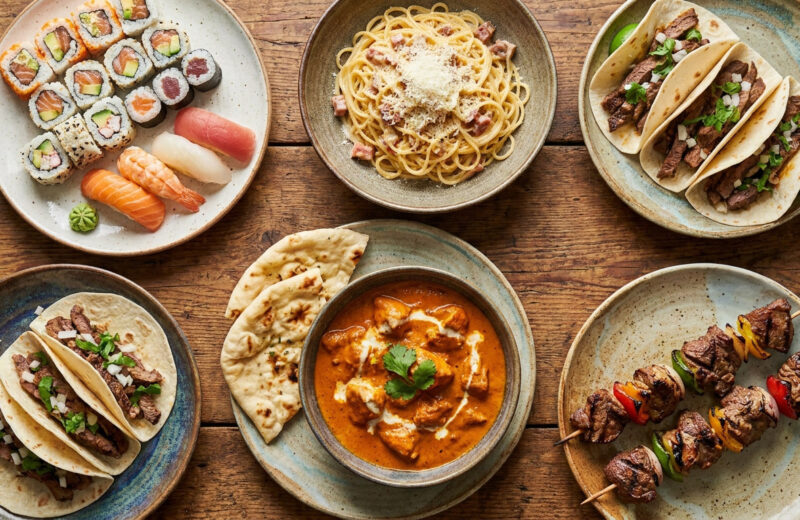
Street food is more than a quick meal it is a cultural experience, a historical artifact, and a living expression of community. Across the world, from bustling Asian night markets to Latin American plazas, from Middle Eastern souks to European street corners, street food represents the soul of a nation’s culinary identity. It is food that tells stories: stories of migration, trade, survival, creativity, and tradition. Unlike restaurant cuisine, which often evolves behind closed doors, street food grows in the open shaped by the people, for the people. This article explores the deep history of street food, its cultural significance, its global evolution, and why it remains one of the most beloved and influential culinary movements in the world.
The Ancient Origins of Street Food
Street food is not a modern invention. Its roots stretch back thousands of years, to the earliest urban civilizations. In ancient Greece, vendors sold small fried fish to busy citizens who lacked time to cook. In Rome, where many homes lacked kitchens, street stalls provided bread, wine, stews, and sausages to the working class. Archaeologists have discovered thermopolia ancient Roman street food counters preserved in Pompeii, complete with frescoes depicting the dishes served.
In China, street food culture emerged during the Tang and Song dynasties, when cities grew rapidly and merchants, travelers, and laborers needed affordable meals. Vendors sold noodles, dumplings, steamed buns, and tea from portable carts. These early street foods laid the foundation for the vibrant night markets that define Chinese and Southeast Asian cuisine today.
Street food also flourished in the Middle East, where bustling trade routes brought together travelers from across Asia, Africa, and Europe. Vendors sold grilled meats, flatbreads, dates, and spiced dishes that reflected the region’s rich culinary heritage. These ancient traditions continue in modern Middle Eastern street foods like shawarma, falafel, and kebabs.
Street Food as a Reflection of Culture and Identity
Street food is deeply tied to cultural identity. It reflects the ingredients available in a region, the traditions passed down through generations, and the creativity of local cooks. In many countries, street food is the purest expression of national cuisine unfiltered, authentic, and rooted in everyday life.
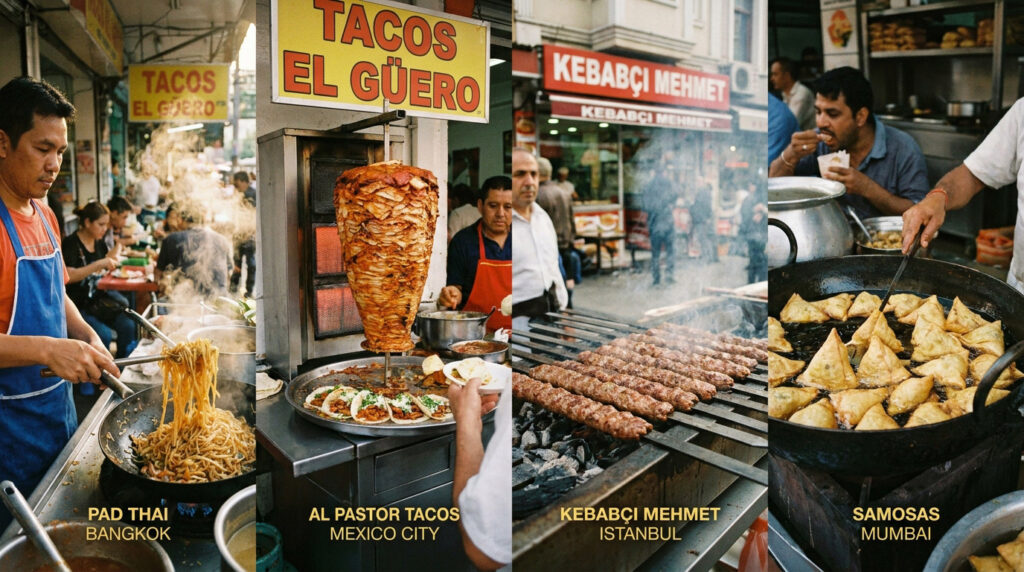
In Mexico, street food is a celebration of indigenous ingredients like corn, chili peppers, beans, and cacao. Tacos, tamales, elotes, and quesadillas are not just snacks; they are cultural symbols that connect modern Mexico to its ancient Mesoamerican roots. In India, street food is a sensory explosion of spices, textures, and regional diversity. From pani puri in Mumbai to dosa in Chennai, each dish tells a story of local traditions and culinary evolution.
In Turkey, street food reflects centuries of Ottoman influence and cultural exchange. Simit vendors line the streets of Istanbul, while döner kebab shops serve millions of people daily. These foods are woven into the fabric of Turkish life, representing both history and modernity.
Street food is also a form of social connection. It brings people together in public spaces, creating shared experiences that transcend class, age, and background. Whether enjoyed at a night market, a street corner, or a festival, street food fosters community and belonging.
The Role of Migration in Shaping Street Food
Migration has played a crucial role in the evolution of street food. As people moved across regions and continents, they brought their culinary traditions with them. These traditions blended with local ingredients and techniques, creating new dishes that reflected cultural fusion.
The global spread of dumplings, for example, can be traced to the Silk Road, where traders carried recipes across Asia and Europe. Today, dumplings appear in countless forms Chinese jiaozi, Japanese gyoza, Turkish mantı, Italian ravioli, and Polish pierogi each shaped by local tastes and ingredients.
Similarly, the kebab traveled from the Middle East to Europe and Asia, evolving into döner kebab in Turkey, shawarma in the Levant, gyros in Greece, and satay in Southeast Asia. These dishes share a common origin but have become distinct cultural icons.
In the Americas, migration and colonization introduced new ingredients and cooking methods. African, European, and indigenous influences blended to create street foods like Brazilian acarajé, Jamaican patties, and American barbecue. These dishes reflect centuries of cultural exchange and adaptation.
The Industrial Revolution and the Rise of Modern Street Food
The Industrial Revolution transformed street food into a global phenomenon. As cities expanded and workers flocked to factories, the demand for quick, affordable meals grew. Street vendors became essential providers of nourishment for the working class. In London, vendors sold pies, oysters, and roasted chestnuts to factory workers. In New York, immigrant communities introduced foods like hot dogs, pretzels, knishes, and pizza slices. These dishes became staples of American street food culture.
In Asia, street food markets expanded rapidly as urban populations grew. Hawker centers in Singapore, food stalls in Bangkok, and night markets in Taiwan became central to daily life. These markets offered diverse, flavorful dishes at low prices, making them accessible to everyone. Street food also became a symbol of innovation. Vendors experimented with new flavors, techniques, and combinations, creating dishes that would later influence restaurant cuisine. Many of today’s most popular foods from ramen to tacos to fried chicken began as humble street foods.
Street Food in the Modern World: A Global Culinary Movement
Today, street food is celebrated worldwide as a cultural treasure and a culinary art form. It has evolved from a necessity for the working class into a global trend embraced by food lovers, chefs, and travelers. Social media has played a major role in this transformation, turning street vendors into international stars and making dishes like birria tacos, bubble tea, and Korean corn dogs global sensations.
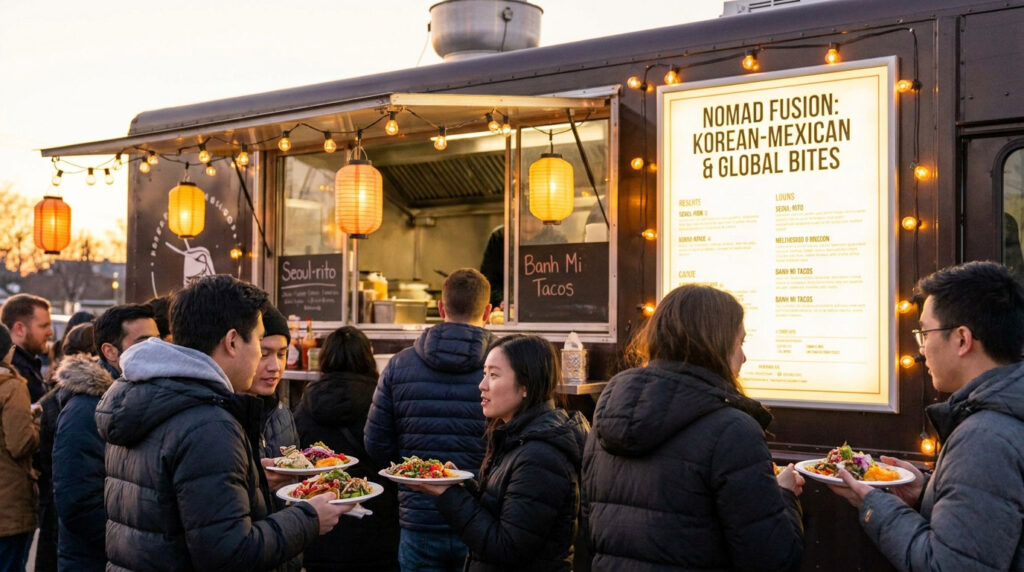
Street food festivals attract millions of visitors each year, showcasing flavors from around the world. Food trucks have become a modern extension of street food culture, offering gourmet versions of traditional dishes. Michelin‑starred restaurants now draw inspiration from street vendors, proving that great food does not require luxury ingredients or elaborate techniques.
Despite its global popularity, street food remains deeply rooted in local culture. It continues to reflect the traditions, values, and creativity of the communities that create it. Whether enjoyed in a crowded market or from a small cart on a quiet street, street food offers an authentic taste of a region’s identity.
The Economic and Social Impact of Street Food
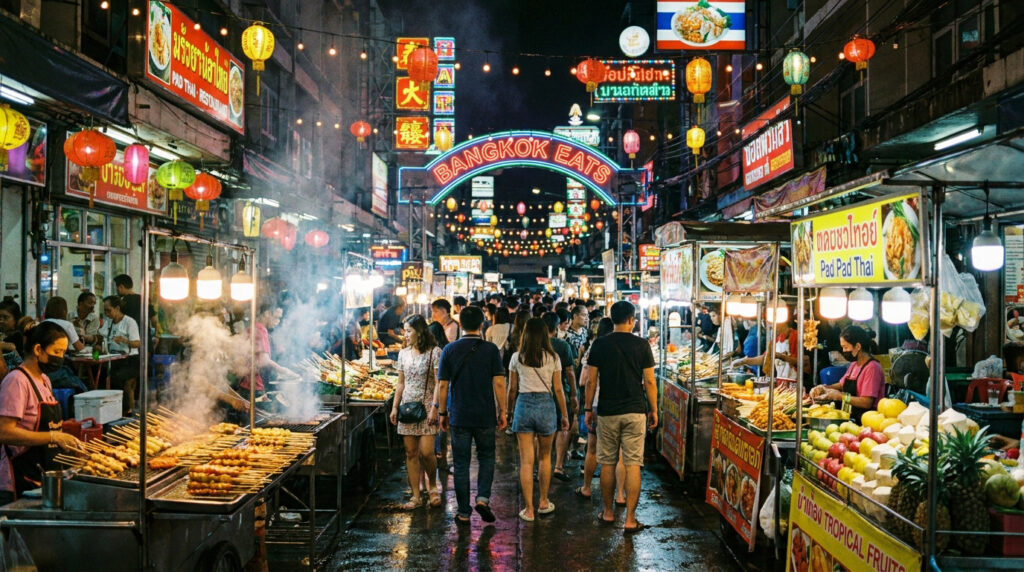
Street food is not just a culinary phenomenon it is an economic engine that supports millions of livelihoods. Vendors often operate small, family‑run businesses that provide affordable meals to local communities. In many developing countries, street food is a vital source of income for women, immigrants, and low‑income families.
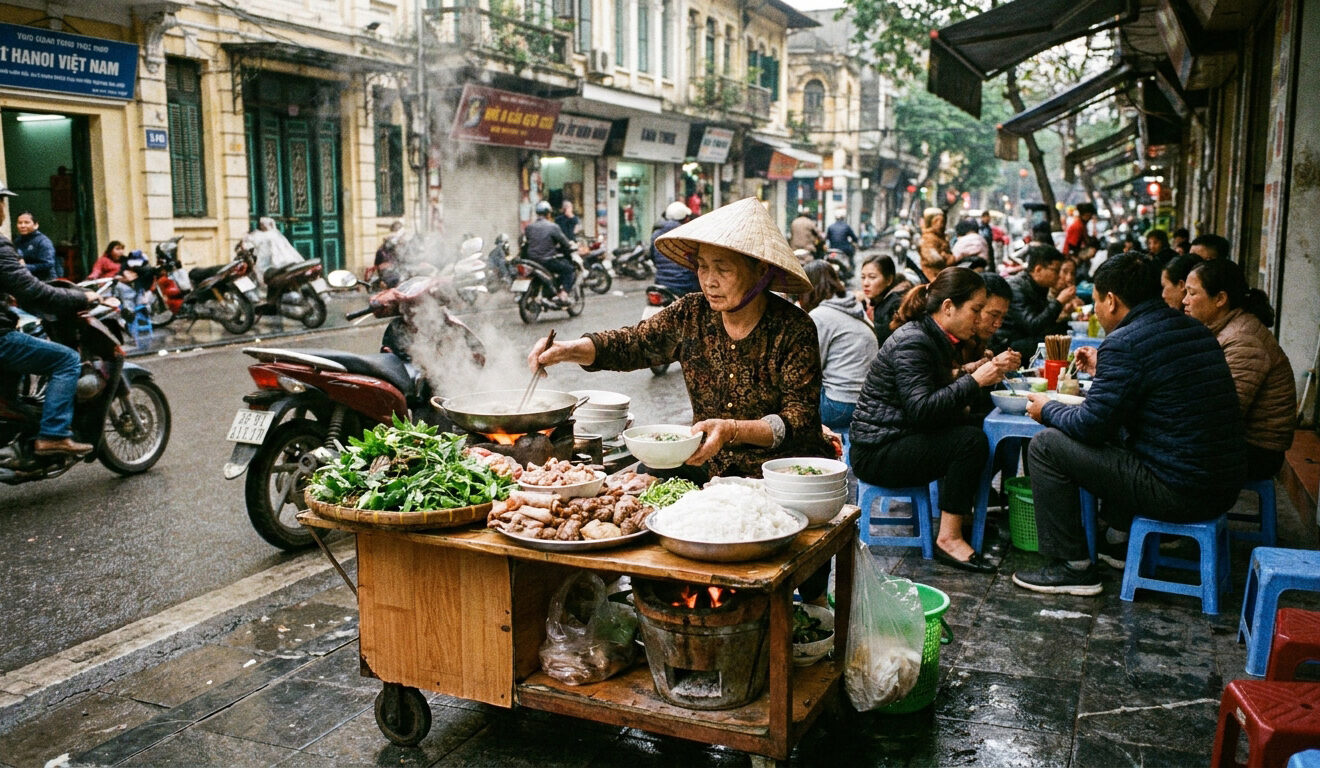
Street food also contributes to tourism, attracting travelers who seek authentic culinary experiences. Cities like Bangkok, Istanbul, Mexico City, and Hanoi are famous for their street food scenes, drawing visitors from around the world. Socially, street food fosters community interaction. Markets and food stalls create vibrant public spaces where people gather, socialize, and share meals. These spaces strengthen social bonds and contribute to cultural preservation.
The Future of Street Food: Innovation Meets Tradition
As the world becomes more interconnected, street food continues to evolve. New trends emerge as vendors experiment with fusion flavors, plant‑based ingredients, and modern cooking techniques. At the same time, there is a growing movement to preserve traditional recipes and support local vendors.
Technology is also shaping the future of street food. Mobile apps, digital payments, and social media marketing help vendors reach wider audiences. Food trucks and pop‑up stalls bring street food to new locations, expanding its influence. Despite these changes, the essence of street food remains the same: simple, flavorful dishes made with passion and creativity, served in the heart of the community.
Conclusion: Street Food Is the Story of Humanity
Street food is a living reflection of human history, culture, and connection. It carries the flavors of ancient civilizations, the influences of migration, the innovations of modern cities, and the traditions of local communities. It is food that brings people together, transcending borders and backgrounds. Whether enjoyed from a street cart in Istanbul, a night market in Taipei, a plaza in Mexico City, or a food truck in New York, street food offers a taste of the world one bite at a time.